


In our digital age, web accessibility has become more than just a legal requirement—it’s a critical component of inclusivity in the online space. For the millions of people across the globe with hearing disabilities, accessible websites are a lifeline to information and connection. Ensuring that your site is designed with the deaf and hearing impaired in mind is not just good practice; it’s the embodiment of social responsibility in the digital landscape.
Understanding Hearing Loss and Its Impact Online
Before we can discuss web accessibility, we must understand the varied landscape of hearing disabilities that web developers are aiming to accommodate. According to the World Health Organization, there are approximately 466 million people with disabling hearing loss worldwide, a number that continues to grow.
The Three Major Categories of Hearing Loss
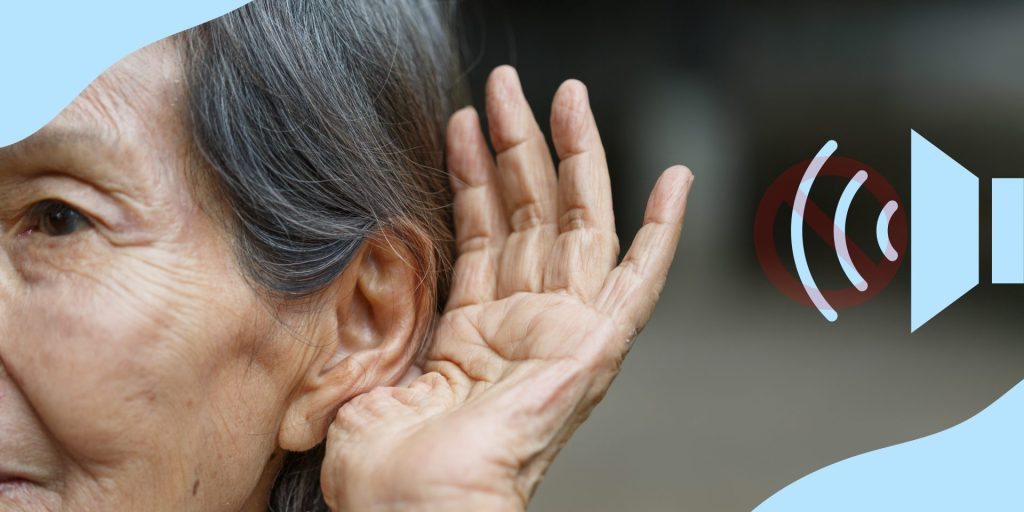
Conductive, sensorineural, and mixed hearing loss each present unique challenges to the individual.
- Conductive Hearing Loss occurs when there is a blockage or damage in the outer or middle ear. Common causes include ear infections, fluid in the middle ear, earwax buildup, or damage to the eardrum. With conductive hearing loss, the sound is usually prevented from reaching the inner ear; however, it often can be treated medically. Individuals with this condition may find that audio content on the web is difficult or impossible (inaudible) to hear, even at higher volumes. People with conductive hearing loss will struggle when they visit websites that use sound for navigation or contain audio and video samples.
- Sensorineural Hearing Loss is the most common type of permanent hearing impairment, and people suffering from it have damage in the inner ear or the auditory nerve. This damage can arise from age, noise exposure, genetics, or certain diseases. Individuals with sensorineural hearing loss face not just difficulties with the volume of sounds on audio-centric websites, but also with clarity. Sounds may appear distorted or muffled, complicating the task of distinguishing specific words. Symptoms further include trouble hearing certain consonant sounds, like S, H, or F, and challenges in hearing high-pitched sounds or voices. Captioning provides significant assistance to users with these symptoms, enhancing their web experience when audio is present – When people with sensorineural hearing loss visit an audio-based website, they will not only struggle with audibility but also clarity. Sounds may be distorted or muffled, making it hard to distinguish words in a video or understand audio cues. Such users usually benefit greatly from captioning.
- Mixed Hearing Loss is a combination of both conductive and sensorineural hearing loss, meaning individuals experience the challenges associated with each type.
Understanding these categories is crucial, as each demands a customized approach to web accessibility.
The Web and Hearing Impairments: An Invisible Barrier

For someone who is deaf or hearing impaired, the audio components of multimedia on the web often serve as a barrier to access. Without the right accommodations, these individuals can be excluded from vast amounts of digital content and interaction.
Multimedia and Audio Descriptions
Captioning and descriptive video services are indispensable. In scenarios where sound cues are crucial to understanding, descriptive text can fill the gap.
Phone Contact and Customer Service
In a world where many sites offer phone support as a primary contact method, the deaf and hearing impaired can find themselves unable to engage. Solutions like live chat, email, and video relay services offer alternatives that foster inclusion.
Audio Cues in UX Design
Audio cues, while enhancing user experience for some, can leave those with hearing impairments at a loss. Incorporating visual indicators for all sound-based interactions is paramount in creating a universally accessible website. You could take for example Audio Radar, as they create visual cues for sound interactions designed for video games.
Captions Are Key to Inclusion

Captions are a linchpin in the digital accessibility landscape. They offer a direct line of engagement with audio and video content that hearing-impaired users would otherwise miss out on. They provide a textual representation of the spoken word and other significant sounds, ensuring that individuals who are deaf or hard of hearing can get the same level of information as normal hearing.
Apart from transcribing speech, captions also describe important non-verbal sounds that contribute to the context of a video sample, such as laughs, music, nature sounds, etc., enhancing the viewing experience by offering a full description of the audio (and video) content. All in all, captions are of great importance and actually essential for ensuring inclusivity in other applications such as web-based education material, movies, videos, television shows, social media, and online meetings.
The Multifaceted Role of Captions
More than just a transcription, captions provide:
- Accessibility for hearing impaired individuals. Captions are instrumental in ensuring that videos and audio media are accessible to those with hearing impairments. By displaying spoken dialogue and sound effects as text, captions enable individuals who are deaf or hearing impaired to follow along with content that would otherwise be inaccessible to them. This inclusion allows for a richer, more complete understanding and enjoyment of multimedia, ensuring that valuable information and entertainment are not missed.
- Localization for international viewers. Captions play a critical role in breaking down language barriers. They make it possible for content creators to reach a global audience by providing translations of the spoken word in various languages. This expands the viewer base by making it accessible and understandable to people from different linguistic backgrounds. Localization through captions is key to cultural exchange and global accessibility, allowing viewers worldwide to access, enjoy, and learn from content that was not originally produced in their native language.
Captions not only speak to the inclusivity of your website but also to its discoverability.
Visual Alerts for the Deaf and Hearing Impaired Web User
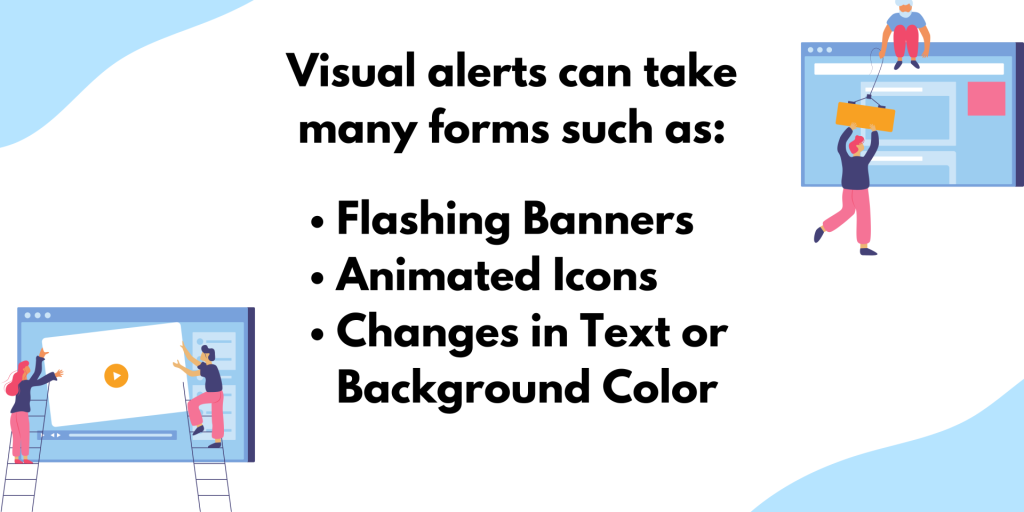
Incorporating visual alerts into web design is an essential strategy for making digital spaces accessible and inclusive for deaf and hearing impaired users. Visual alerts serve as a crucial addition and alternative to auditory signals, ensuring that important notifications and updates are accessible to everyone, regardless of their hearing ability. These alerts can take various forms, such as flashing banners, animated icons, or changes in text or background color, effectively capturing the user’s attention without relying on sound.
Visual alerts enable equal access to information, enhance the online experience for users with hearing impairments, and allow them to enjoy their visit at websites. To implement visual alerts effectively, it’s important to prioritize visibility and clarity, ensuring that alerts are noticeable yet not disruptive to the overall user experience. Additionally, offering customization options allows users to tailor how they receive alerts, accommodating personal preferences and needs.
The Power of the Silent Notification
Visual alerts in web design:
- Notify of critical information without sound.
- Complement audio cues for a full, inclusive user experience.
- Support user preferences for the display of content.
Visual alerts are a silent yet potent tool in the arsenal of web accessibility.
The Future of Website Accessibility
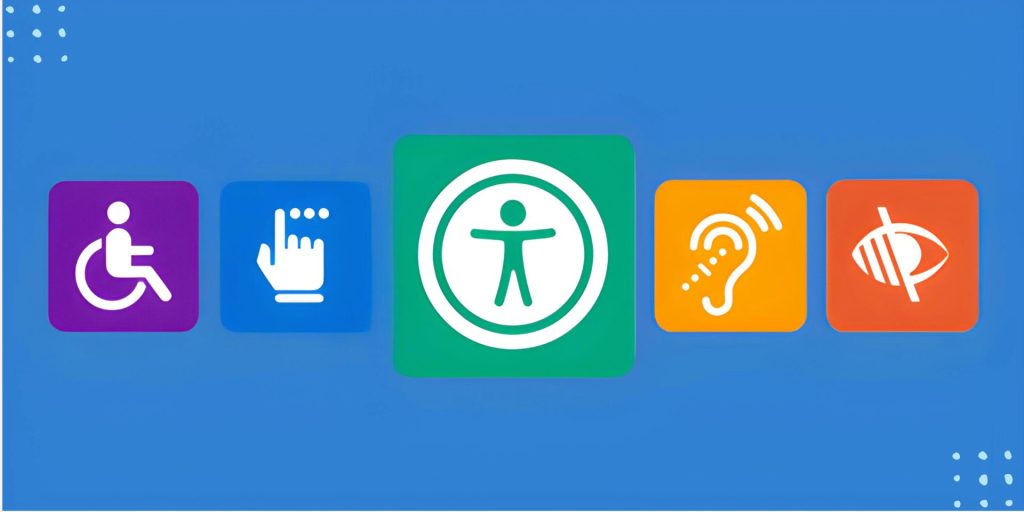
The future of website accessibility is shaped by rapid technological advancements and a commitment to inclusivity. As web technologies evolve, so do the methods to make digital spaces more accessible to everyone. Innovations like artificial intelligence and voice recognition are making websites more intuitive for users with diverse abilities, emphasizing the importance of incorporating accessibility from the ground up in web design.
This shift towards a more inclusive web goes beyond legal compliance; it’s about ensuring that the digital content is open to all, including individuals with various impairments. The trend towards ‘universal design’ highlights a growing awareness among developers and businesses of the benefits of reaching a broader audience by making digital content accessible and user-friendly.
As the digital landscape continues to change, so will the guidelines and regulations governing web accessibility. This ensures ongoing improvements in making the web a place where diversity is recognized and valued.
Conclusion
The mission of web accessibility for the deaf and hearing impaired is more than just a checkbox on a design guideline. It represents a significant stride toward an internet without barriers—a place where everyone, regardless of their abilities, can join in the global conversation. As developers and website owners, we have the power to shape this conversation by ensuring our online spaces are as inclusive as possible.
By adopting the practices outlined here and staying abreast of the latest in accessibility technology, we can ensure that the deaf and hearing-impaired community has the same seamless and fulfilling online experiences as their counterparts with normal hearing. Investing in web accessibility is investing in a better internet for all.

In addition to being the Founder and Editor-in Chief at HearingPeople.com, Luis Zuluaga is the founder and CEO of Florida Hearing Institute, an innovative hearing health enterprise in South Florida, focused on bringing high-tech hearing devices at affordable prices to people with hearing loss. Before his latest hearing healthcare endeavors, Luis served as President and Chief Operating Officer of Zounds Hearing Inc., a US-based hearing aid manufacturer that introduced many technical innovations to the hearing aid market.