


Do your hearing aids keep falling out? This article is a perfect tutorial on how to keep hearing aids from falling out by using this advice.
Introduction
Hearing aids are game-changers for people with a certain degree of hearing loss. Did you know that the majority of people with hearing loss tend to avoid using hearing aids? There are two major reasons for this – the high price of hearing aids and the fear that hearing aids do not provide comfort (preventing wearers from taking advantage of the devices).
If there is no comfort in wearing hearing aids, many people fear that they may fall out from their ears. This can lead to either the damage or loss of hearing aids, leaving wearers at a financial loss. If they do not stay in place, it can be challenging and even frustrating to hold them back.
Fortunately, there are certain tips that help you keep your hearing aids in place without falling out regularly. Let us explore them in this article.
Why Do Hearing Aids Fall Out of the Ears?
There can be many reasons for hearing aids falling out of the ears, and some of these reasons can be detrimental to your device. Understanding the reason for falling out can help you keep hearing aids in place, allowing you to hear surrounding conversations properly.
The following are some reasons for hearing aids falling out:
- Poor Fit: If hearing aids are not fitted well, they are more likely to fall out of the ears. Hence, it is important to get auditory aids fitted well to prevent them from falling out and experience the utmost comfort.
- Physical Activity: Many physical activities, such as jumping, running, or any other sports that involve the movement of the head, lead hearing aids to keep falling out.
- Sweat: When you sweat excessively, the area around hearing aids becomes slippery. This is one of the most common reasons for hearing aids falling out.
- Moisture: Moisture due to rain, high humidity, or water can cause hearing aids to fall out of the ears.
- Earwax: If your ear canal has earwax, it can be difficult for hearing aids to fit properly, which leads to their frequent falling out.
How To Keep Hearing Aids From Falling Out?
Let me now introduce you to some effective steps on how to keep hearing aids from falling out of the ears.
Step 1: Assess The Activities You Participate In When They Fall Out

We do certain activities in our everyday lives that trigger hearing aids from falling out. Some of these common activities are:
- Physical Exercise: Physical exercises like running, jogging, aerobics, and many others involve head movements, which causes hearing aids to fall out frequently from the ears.
- Dancing: Dancing entails intense body moves, along with head movements. This results in the dislodging of hearing aids.
- Laughing: Similar to dancing and physical exercise, laughing leads to movements, forcing your hearing aids to fall out.
- Eating: While eating, chewing and facile movements may be the reason for hearing aids to move from the place.
- Wearing Mask: When you wear a mask with hearing aids inside your ears, you may experience difficulty. A mask has elastic bands that can create discomfort for your devices.
- Wearing Headgear: Wearing tight headgear, such as helmets, hats, etc., can pressurize aids.
Keep Hearing Aids From Falling Out Tips
- When you are engaged in physical activities, ensure to use clips, lanyards, or retention filaments to maintain hearing aids in place.
- If you have long hair, keep them tied back. During intense or light movements, your hair comes in contact with hearing aids, making their fit a bit insecure.
- More importantly, choose an auditory aid model that fits perfectly inside your ear canal.
Step 2: Check The Inserts You Are Using
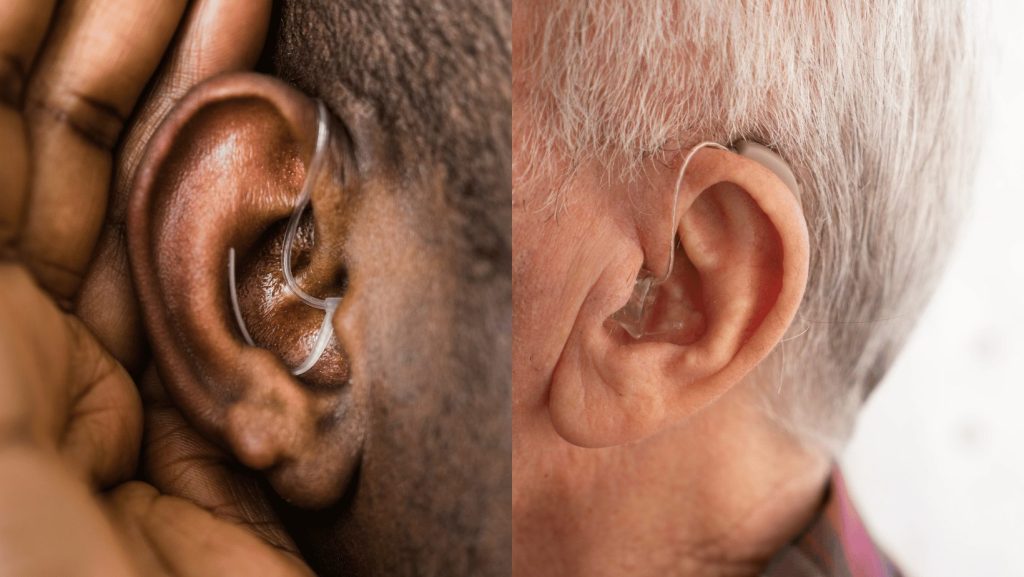
Another factor responsible for hearing aids falling out regularly is the size of the earpiece (a part of a hearing aid inserted inside the ear canal).
If the earpiece is bigger in size than your ear canals, hearing aids tend to come out and do not fit properly. On the other hand, if the earpiece is smaller than the ear canal, hearing aids will be so loose that they will fall down if you lean down.
- Select hearing aids with the correct size of the earpiece to retain them properly inside the ear canal. Consult a hearing healthcare professional for accurate sizes.
- If you go with foam inserts, you need to replace them frequently, i.e., every 3 to 4 weeks.
- Silicone inserts require replacement every 2 to 6 months, and they are easy to clean and maintain.
Step 3: Verify That You Are Inserting The Aids Correctly

How you insert your hearing aids inside the ear canals plays a vital role. If they are inserted correctly, they may certainly fall out.
If you opt for custom-molded devices, make sure to insert them into the right ears. Do not hurry while inserting the hearing aids. Read the instruction manual carefully, take time to understand the process, and follow it with great care. Additionally, you can take the guidance of a nearby or remote hearing healthcare professional to get your hearing aids fit properly inside your ears.
Things to consider while inserting the aids:
- Get rid of dirty and wax-filled ears.
- Avoid hastiness and be careful.
- Position hearing aids correctly in the intended ears.
- Use a mirror to insert the aids if doing it alone.
Step 4: Be Mindful When Removing The Hearing Aids

If you wear additional accessories, like hats, sunglasses, masks, scarves, etc., you have to be very careful while removing them. Any carelessness can cause discomfort or a shift of hearing aids from the place. Make sure to remove any of these accessories peacefully without hastiness.
To remove any accessory, use a mirror to examine your actions and avoid dislodging of hearing aids. Above all, always try to remove your hearing aids first and then other accessories to prevent any damage.
Step 5: Get Rid Of Ear Wax Build Up
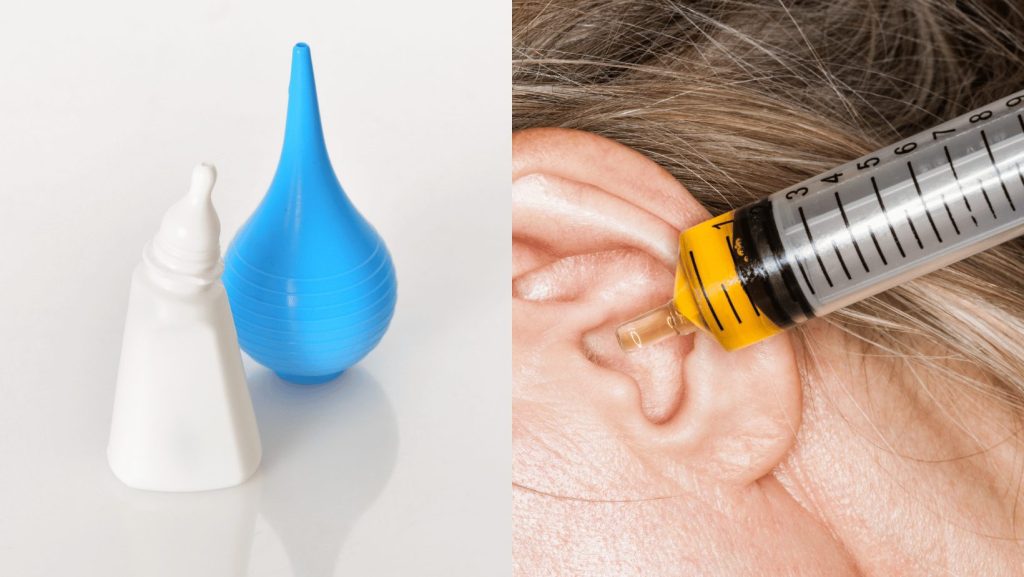
Earwax build-up can significantly contribute to making your hearing aids fall out regularly. It forces hearing devices to move outwards, causing them to fall off from the ears.
Hence, it is essential to clear or remove earwax build-up to get your hearing aids lodged perfectly inside the ear canal. However, avoid using small and pointed tips to insert into your ears to remove earwax build-up.
I recommend you always go to a healthcare professional to clean up earwax. They leverage the irrigation and suction method or curette tools to clean your ears. A curette tool is a metal hook that gently scrapes wax out of the ears.
In the irrigation and suction method, irrigation is an ear-washing procedure where professionals introduce warm, saline solution (water and salt) into the ear canal. This solution helps earwax to soften. After that, with a suction, professionals gently remove the earwax from the ear canal.
Step 6: Try Out Hearing Aid Accessories
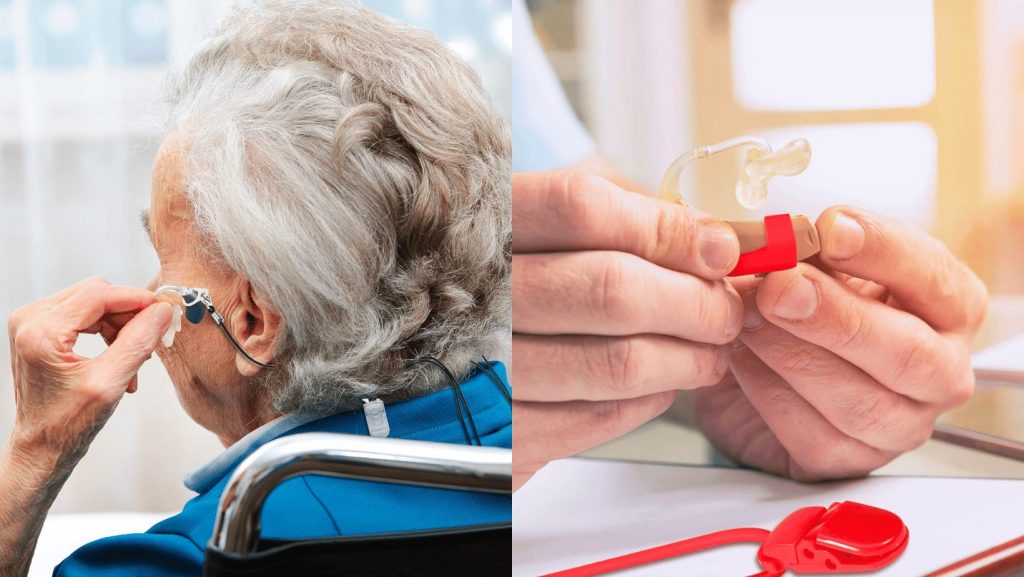
If you live a lifestyle that involves continuous movements, using hearing aid accessories helps your devices stay in place correctly and prevents them from falling off the ears. These accessories provide support to hearing aids during exercise and other activities. Some of the most common ones include:
- Clips: Hearing aid clips are small pin-like devices that help you attach your hearing aids to your clothes (either a collar or pocket).
- Lanyards: Hearing aid lanyards are specially designed cords or straps worn around the neck, allowing wearers to secure hearing aids to their clothing or body. They are useful when you frequently need to remove and reinsert your auditory aids.
- Adhesive tapes: With adhesive tapes, you can secure hearing aids behind your ears. They are very useful when you are engaged in intense physical activities.
- Retention filaments: They are thin filaments or cords made of soft and flexible materials, like nylon, that connect hearing aids to your ears.
- Hearing aid headbands: They are especially useful for children so that hearing aids do not dislodge.
Step 7: Consider Getting New Hearing Aids

Are you using the same hearing aids for 4 to 5 years? If yes, you may obviously experience discomfort and difficulty while fitting them in your ears. This is because the ears get larger and stretched out as the years pass, which causes hearing aids to fall out of the ears. Hence, you must consider buying new hearing aids every 5 to 6 years.
Conclusion
So, don’t worry, even if your hearing aids keep falling out from the ears. All the above steps guide you on how to prevent hearing aids from falling out. But before you stick to any of these steps, determine what exactly is the reason for your aids to fall out regularly – whether it is any physical activity, earwax build-up, incorrect fitting, incorrect earpiece size, or prolonged use of the aids. Based on the exact reason, choose the appropriate solution and keep your hearing aids in the right place.
Also, I have mentioned some of the causes of hearing aids not staying in their place. They are not all-inclusive, and there are many other causes. If you find it difficult to determine the cause, consulting a hearing healthcare professional is the best option.
Resources
- https://columbusspeech.org/tips-for-keeping-your-hearing-aids-from-falling-out/
- https://lexiehearing.com/us/library/how-to-prevent-hearing-aids-from-falling-out
- https://www.puresoundhearingaids.com/blog/are-your-hearing-aids-constantly-falling-out-here-are-6-tips-to-keep-them-securely-in-your-earshttps://www.youtube.com/watch?v=TrEvpSHzHr4
- https://amdahlhearing.com/how-to-prevent-hearing-aids-from-falling-out/
- https://www.hearingdirect.com/blogs/blog/how-to-keep-a-hearing-aid-from-falling-off
- https://faithhearing.com/prevent+hearing+aids+falling+off+of+ear+removing+face+mask
- https://www.hearingnow.co.uk/learning/why-don-t-my-hearing-aids-stay-in-my-ears

In addition to being the Founder and Editor-in Chief at HearingPeople.com, Luis Zuluaga is the founder and CEO of Florida Hearing Institute, an innovative hearing health enterprise in South Florida, focused on bringing high-tech hearing devices at affordable prices to people with hearing loss. Before his latest hearing healthcare endeavors, Luis served as President and Chief Operating Officer of Zounds Hearing Inc., a US-based hearing aid manufacturer that introduced many technical innovations to the hearing aid market.