


Ear wax is a normal secretion that serves as a protective mechanism in the ears. Like many other bodily fluids, many people have some degree of fascination surrounding the quantity, color, and consistency of one’s ear wax, also known as cerumen.
This article will provide an explanation of the different possible ear wax colors and textures and what they can indicate about your ear health.
The basics of ear wax
Cerumen, or ear wax, is produced by the sebaceous glands to help clean the ears. The wax gathers dust and debris in the ear canals and then gradually works its way out of the ear, taking the particles and dead skin cells with it. Normal jaw movements that occur during talking, swallowing, and chewing help the wax to move out. Cerumen may also serve to stop some foreign bodies from entering the ear, such as small insects.
Everyone has ear wax, but the amount can vary from person to person depending on their body chemistry, the shape of the ear canals, and the amount the ears are stimulated. Ear wax color is typically golden or yellow-brown and can be dry and flaky or wet and sticky.
The texture can be attributed, in part, to genetics. It is generally believed that yellowish-brown ear wax color is typical in people of Caucasian or African descent, while dry ear wax that is greyer/white in color is common among East Asian individuals.
Ear Wax Colors- What do they mean?
Yellow or amber ear wax
This is the ear wax color we expect to see in most individuals and is healthy. It can be dry and flaky and come out in small pieces, or it may be stickier and more viscous and need to be wiped off.
Brown ear wax
When cerumen has been in the ear canal for a longer period of time, it can become darker in color. This might occur for a variety of reasons, but in particular, if it has been pushed into the ear canal rather than working its way out. This, too, can vary in its viscosity.
Black ear wax
Wax that has been in the ear canal for a long time could turn from yellow/amber to brown to black. Often, black wax becomes extremely hard and dry and can be challenging and uncomfortable to remove. In some cases, it even adheres to the ear canal wall. If this is the case, a provider may recommend a solution like Debrox or hydrogen peroxide to first soften the wax in order to make it easier to remove.
Green ear wax
If your ear wax color is green, this can be a sign of infection, particularly if it carries an odor. If the wax is green and the ear is sore, has a smell, or is draining, you should consult a provider about a possible outer ear infection.
Other ear wax colors
If your ear wax color is red, it could indicate that there is some blood mixed in with the wax. This can happen if the wax adhered to the ear canal wall and was then removed; this can cause minor lacerations to the canal wall, which may bleed. If the ear wax color is white or grey, it can indicate a lot of dead skin cells. This may happen if you have particularly dry skin and itchy ears. In these cases, you can try gently moisturizing the outer edge of your ear canal with a very neutral lubricant such as Vaseline.

When to Consult a Healthcare Professional
Just as with many aspects of your health, the most important thing is to know what your normal looks like. Maybe your ear wax color tends to be on the darker side, and this is okay. It may mean that it takes a bit longer to work its way out of your ear. Your cerumen can also change with age, hygiene, certain medications, and different climates or times of year. Some variability in the color and texture is okay.
Drastic changes in the ear wax color, consistency, or volume, particularly when they only occur on one side, are a red flag. If they are accompanied by hearing loss, tinnitus, pain, or pressure, it is time to seek medical advice.
Audiologists and physicians have specific tools that they use to safely remove impacted ear wax. They are able to get visibility of the wax using an otoscope and often use a lighted tool called a curette to remove the wax. In some cases, medical-grade suction can be used to pull out large pieces of wax. Sometimes, flushing with water or peroxide is used to fully irrigate the ear canal and remove particularly wet or sticky cerumen.
The professional will be trying to remove as much of the wax as possible to get good visibility of the ear drum and may use these techniques in combination to fully clear out the ears. It is normal for some of this to be uncomfortable and for the ear canals to be a bit sensitive afterwards. Rest assured that professional ear cleaning is always safer and more effective than trying to do it yourself at home.
Ear Wax Management and Safe Cleaning Practices

Many people admit to being “addicted” to using Q-tips on a daily basis in an attempt to clean their ears. The paradoxical thing about this is that the more the ear canals are stimulated, the more wax they produce. So, by putting a Q-tip in your ear on a daily basis, you are likely promoting the production of more wax than you could safely or reasonably remove with a Q-tip. If you are concerned about the cleanliness of your ears, you can use a warm, soapy washcloth around the outer edge of your ear canal and the concha bowl. This would remove any ear wax that has worked its way almost fully out of the ear.
We often say you shouldn’t put anything smaller than your elbow in your ear! Patients have been known to insert other, sharper items than Q-tips in their ears to remove wax or relieve itchiness. This is very dangerous and can lead to a punctured ear drum and/or laceration in the ear canal, which can become infected. Other ear-cleaning items, including ear candling, are not recommended.
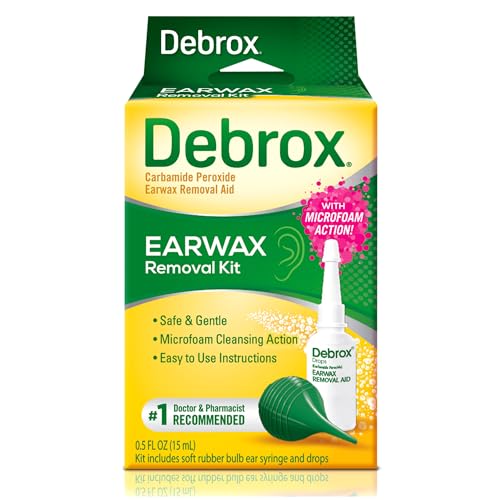
Debrox is safe to use at home, and some people who are very prone to excessive ear wax may be told to use it on a routine basis to avoid impaction. This is particularly common in patients who use headphones or hearing aids regularly, as both would not only stimulate wax production but also push wax into the ear canal.

Ear Wax Color Takeaway
Hopefully, this article has provided you with an understanding of the degrees of normal ear wax color and texture. It is a protective bodily fluid that serves an important function in your ears. Having a lot of ear wax does not mean anything about your personal hygiene; some people are just prone to more or less wax. You should largely leave your ears alone!
Basic cleaning in the shower is fine, but other than that, you don’t need to do anything to keep your ears clean. If you notice a change in ear wax color, hearing loss, pain or discomfort, itchiness, or tinnitus, it may be a reason to consult a professional.

Erin Edwards received her Doctor of Audiology degree from Towson University in 2015 and her Ph.D. in Education and Leadership from Pacific University in 2022. She has worked with patients of all ages in a variety of settings and has a specific interest in cochlear implants, the relationship of hearing loss and dementia, and interdisciplinary healthcare.