


Essential oils are highly concentrated liquid forms of plants, usually fruits or herbs. They have exploded in popularity over the past few years, largely because of an increased interest in homeopathic remedies and alternative medicine, as well as the multi-level marketing schemes such as Young Living, which sell essential oils. They serve many purposes in health and wellness, such as aromatherapy and homemade cleaning supplies. But can essential oils help with tinnitus? Can they resolve persistent ringing or buzzing in the ears? Let’s find out.
Understanding Tinnitus
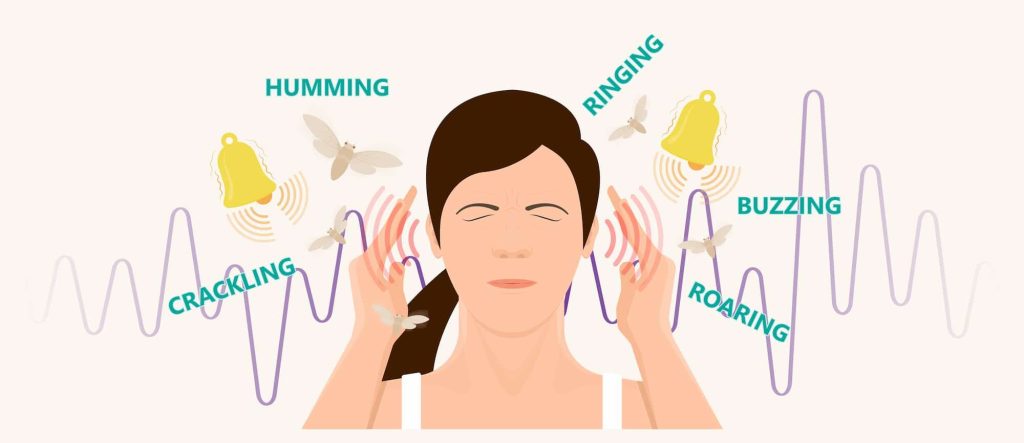
Tinnitus (pronounced TIN-nuh-tuhs or tin-NYE-tuhs, both are correct!) is any form of noise a person hears that is not present in the environment or attributable to an external source. Many people describe it as a ringing or buzzing sound, but it can take many forms. If you have ever attended a concert and noticed your ears are ringing during the quiet car ride home, you have experienced tinnitus.
It is common to have intermittent episodes of tinnitus, particularly after exposure to loud noise, but some individuals experience it constantly. The main cause of tinnitus is hearing loss, though it can also be caused by certain medications or medical conditions, stress, head trauma, and excessive ear wax, among others.
The Role of Essential Oil for Tinnitus Relief
First, it is important to say that there is nothing you can ingest or apply topically in your ears that will cure tinnitus. For individuals with hearing loss, the hair cells in the inner ear that are responsible for specific pitches have been damaged beyond repair, but there is still some perception of the sound(s) being perceived by the individual; this has been compared to phantom limb pain. It is particularly common in people who have hearing loss caused by significant noise exposure over time, such as truck drivers or construction workers.
There are also a lot of claims about certain essential oils treating hearing loss and ear infections; this is untrue and potentially dangerous. Essential oils are not regulated by the Food and Drug Administration (FDA) and are technically classified as food because they are derived from plants. There are no studies supporting the use of essential oils in the treatment of any audiological conditions.
There are two main recommendations for tinnitus relief: introducing more noise to the environment (usually in the form of hearing aids) and managing the emotional response to your tinnitus. Research has shown that tinnitus is highly linked to the limbic system, which means that tinnitus can trigger a stress response, and then the stress response can exacerbate the tinnitus. It’s a vicious cycle: the more you feel stress or annoyance about your tinnitus, the worse it becomes. It is possible that essential oils can aid with this if you can use them in a way that offers stress relief.
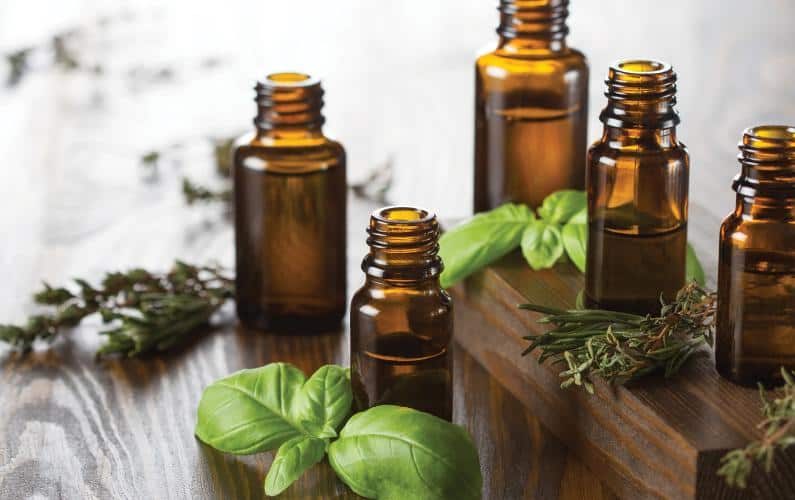
Many people find that aromatherapy with essential oils in diffusers is relaxing, particularly if they find a scent or combination of scents that are particularly soothing. Alternatively, a topical application of certain essential oils can be used in massage, which is also a main source of relaxation and stress relief for many individuals.
Be particularly careful when using essential oils topically, as they are highly concentrated and will need to be significantly diluted before they are put on the skin. If you can identify your stress triggers and start to make an association between a specific scent and a relaxing activity, you can use the scent alone when your stress (and tinnitus) begin to flare up, but you perhaps don’t have the time or access to aromatherapy and/or massage.
Popular Essential Oils for Tinnitus

The most effective essential oils are going to be specific to what scents you personally like and what your intended uses are. I like to add a few drops of lemon essential oil to a homemade cleaning spray because I associate the citrus smell with cleanliness. My husband always gravitates towards anything that has tea tree oil in it because he likes the smell. It may take some trial and error to figure out which scents work for you. Here are a few popular choices to start with:
Lavender. A soft, floral scent that many find useful for stress relief, easing muscle strain, and aiding in sleep. This is a popular oil used in massage because of its versatility and soft, floral scent.


Helichrysum. This is sometimes referred to as a “curry plant” because of the strong, savory smell of its leaves. It is one of the most expensive oils on the market, so you may want to see if you can smell or sample it before making a purchase. It is associated with reducing inflammation.

Eucalyptus. This is commonly associated with healing and is included in medicines or aromatherapy targeted toward conditions such as nasal congestion and asthma. Because the ears are connected to the nasal pathways and airways, some people might find eucalyptus alleviates tinnitus related to sinus pain or pressure. Other essential oils associated with decongestion are tea tree and pine.

Bergamot. This oil has an aroma that combines scents of citrus, spice, and tea. It is associated with alleviating feelings of depression and anxiety and is thought to be both uplifting and calming. It can be used in aromatherapy.

Frankincense. This is an oil that is popular for massage and can be combined with lavender or used on its own. It is associated with both anti-inflammatory and antidepressant effects.

Basil. This is associated with alleviating sore muscles or tightness, so some recommend it for people who suffer from tinnitus related to TMJ.

Peppermint. There is some evidence to suggest that topical application of peppermint oil can offer relief from tension headaches. If you experience tinnitus in conjunction with migraines or regular headaches, this could be worth a try.

Market Claims for Essential Oils

The important caveat to the descriptions above is that the claims of medicinal benefits of essential oils have not been clinically tested or supported by scientific research. Certainly, plant medicine is quite powerful and heavily embraced by many cultures around the world, but often, these essential oils are marketed as miracle cures for ailments that they simply cannot treat to the extent they are advertising. The FDA does not regulate essential oils, and therefore, there is wide variability in the concentration and quality of the oils.
You should never ingest essential oils and should follow instructions for diluting them depending on your purposes. There are some blends of essential oils that are marketed for specific purposes, such as pain relief or relaxation. You can certainly try these pre-packaged blends, but use them according to instructions and never apply them directly to your skin.
Alternative Methods for Tinnitus Relief
Because the most common cause of tinnitus is hearing loss, a very typical recommendation is to try hearing aids first. Often, introducing amplification, particularly in the high-frequency sounds that the patient has likely been missing, is enough to compensate for the tinnitus. In many instances, a binaural hearing aid fitting is enough to provide both better hearing and tinnitus relief, though many will still rely on a sound machine for sleep when their hearing aids have been removed.
Some hearing aid manufacturers offer specific programs for tinnitus that involve playing a low-level sound through the hearing aids in addition to the prescribed amount of gain. This low-level sound, which could be anything from static to a melody, is referred to as a “tinnitus masker” because it is something additional that is perceived as less bothersome and easier to ignore than the tinnitus itself. It can take some trial and error to determine what tinnitus masker is the most effective.
The audiologist may also have you complete a survey, such as the Tinnitus Handicap Inventory (THI), to determine what subjective impact your tinnitus is having on your daily life. This can be repeated after a hearing aid fitting to determine which areas, if any, need improvement.
If you are already successfully using hearing aids or you have tinnitus with normal hearing, there are other alternative ways to try to treat your tinnitus. As mentioned, tinnitus is highly emotional. You should also be mindful of the situations that are making you feel stressed or anxious and how that influences your tinnitus.
No person is immune to all stress, and it would be impossible to avoid it completely. That said, if you are able to identify areas of your life where you can ask for help, take some things off your plate, or avoid certain people or situations, you may be able to reduce the overall incidence of stress. Find ways to relax and distract yourself from your tinnitus so that you can ignore it before it becomes disruptive.
Precautions and Considerations
If you are experiencing tinnitus, the first step is to consult an audiologist for a hearing test. The most common cause of tinnitus is hearing loss, so it is possible that you can largely treat this symptom by treating your hearing loss. Your audiologist can also talk with you more specifically about your tinnitus to try to isolate a tinnitus management solution that works for you.
If you want to try using essential oils for tinnitus relief, consider the safest options for doing so. If you live with other people, especially with young children, you should not use a diffuser for aromatherapy as everyone has different reactions to essential oils, and they can actually be quite irritating for children. There are wearable aromatherapy accessories such as necklaces or bracelets that you can apply essential oils to and smell throughout the day without anyone else being affected by their use.
If you want to use massage with essential oils for tinnitus, talk with your massage therapist about their recommendations for this purpose. Remember that the essential oils will be diluted with a carrier oil such as olive or coconut oil that is safe for the skin.
It is possible to be allergic to essential oils, and you are more likely to have an allergic reaction if you are already prone to skin conditions such as eczema or atopic dermatitis. There are certain essential oils that are associated with allergic reactions, including oregano, jasmine, lemongrass, and chamomile. If you have a rash or hives following the use of essential oils, you should consult a medical professional.
Essential Oils For Tinnitus Conclusion
Essential oils may have a place in tinnitus management when used in aromatherapy or massage. You should be cautious of any product claiming to “cure” your tinnitus and be thoughtful about the oils you purchase. Look for information about the purity of ingredients and their origins. They should come in dark-colored glass containers to protect the quality of the ingredients.
You also want to look for a reputable seller and get a general sense of what a specific oil should cost by sourcing it from a few different places. Essential oils can be quite effective for stress relief and lifting your mood. You may consider purchasing a variety to see which scents are preferable depending on what you are seeking.

Erin Edwards received her Doctor of Audiology degree from Towson University in 2015 and her Ph.D. in Education and Leadership from Pacific University in 2022. She has worked with patients of all ages in a variety of settings and has a specific interest in cochlear implants, the relationship of hearing loss and dementia, and interdisciplinary healthcare.