


Snoring is a problem that affects many people, 40% of adult men and 24% of adult women, according to the American Academy of Sleep Medicine. These statistics represent the actual snorers but do not include the spouses or partners whose sleep might be impacted by sharing a space with someone who snores. In this article, we will explore the causes of snoring, how it can affect both the snorer and a partner, and essentially, how to block out snoring to get better sleep.
Understanding the Causes of Snoring
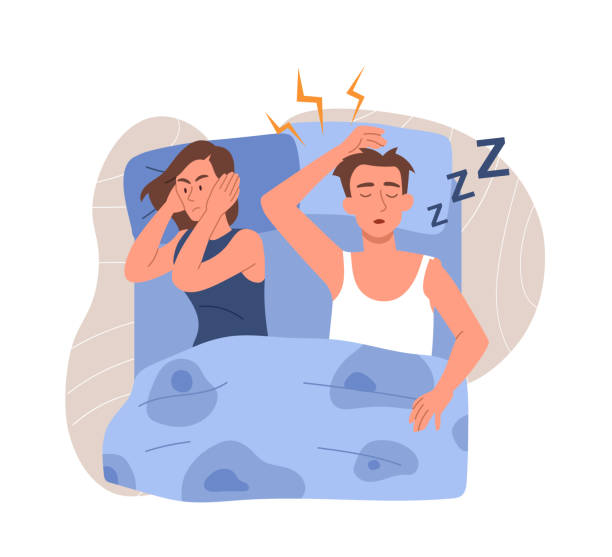
Why do people snore? In short, snoring occurs when the airway is obstructed. This means it could be temporary, such as people who only snore when they have a cold with nasal congestion. It causes the tissues at the back of the throat to vibrate when air comes through the nose, mouth, or a combination of the two. Snoring commonly occurs on the inhaled breath and can happen in any stage of sleep.
In addition to a cold or allergies causing nasal congestion, alcohol or other depressants that make your throat muscles relax might result in temporary or sporadic snoring, too. There are other anatomical reasons why someone might snore more routinely. People who are overweight are more likely to snore, as are those who sleep on their back and of a certain age. Middle-aged men and perimenopausal women are more likely to begin snoring. Poor muscle tone, a long soft palate, deviated septum, and/or sleep apnea are all possible causes of snoring.
Sleep apnea is a specific type of sleep disorder that causes you to stop breathing while you are asleep and is characterized by a choking or gasping sound. People with sleep apnea are at risk for cardiovascular disease, stroke, and diabetes. Sleep apnea should be diagnosed with a sleep study and can be managed with a CPAP machine, oral appliance therapy, or surgery. If you suspect your snoring is related to sleep apnea, you should consult a professional immediately.
How Snoring Can Affect You
While there can be legitimate health concerns related to snoring, often, it is more problematic for the person sleeping beside the snorer. Part of what is so disruptive about snoring is that it is an irregular sound, so your brain is alerted to it. Snoring has peaks and valleys, and very loud snoring can peak around 90 decibels, which is about as loud as a leaf blower.
If you have ever had even one night of poor sleep, you know how much it can affect your day. During an ideal night of eight hours of sleep, you should experience a few cycles of rapid eye movement (REM) sleep and non-REM sleep. Each cycle is about 90 to 120 minutes, so it would be normal to go through four or five cycles per night.
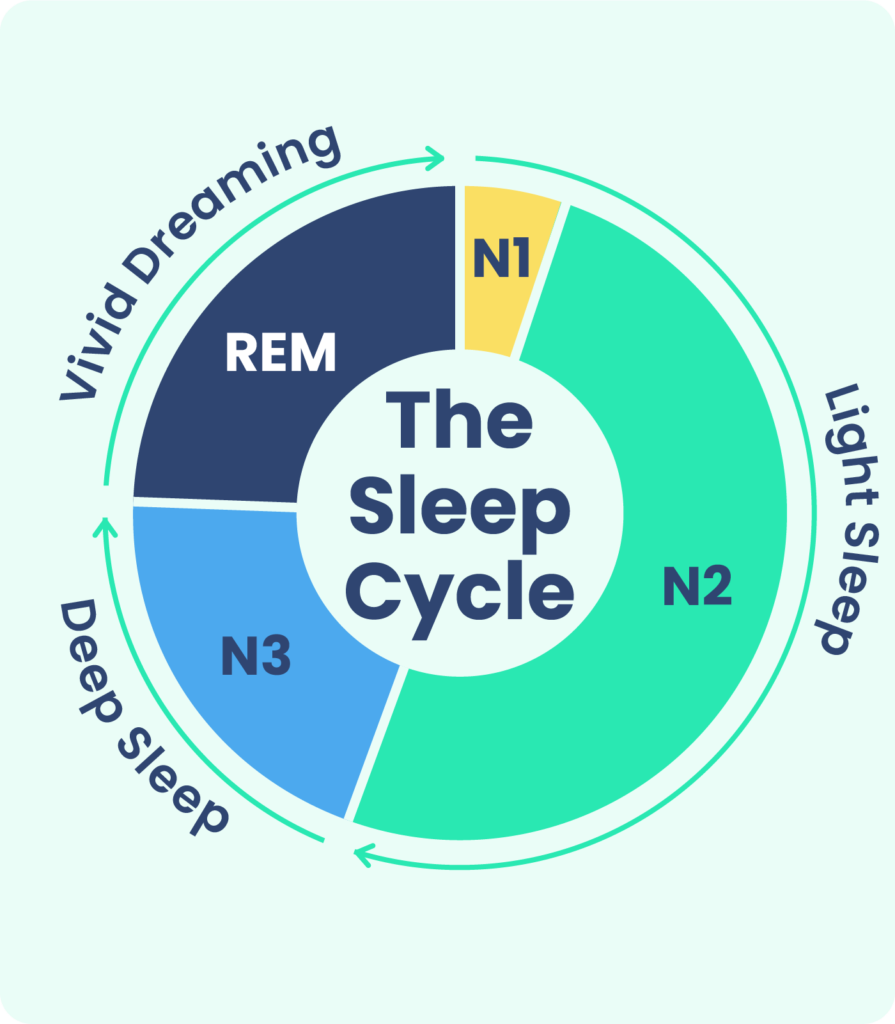
There is variability in how deep your sleep is throughout the night and how susceptible you are to being awoken by snoring. If you are consistently being woken up in stage 1 or 2 (the lighter phases of sleep), you may never reach the stage 3 NREM deep sleep which is important to repair injury and your immune system. Even if you get several hours of sleep, if you never reach stage 3, you will wake up feeling tired.
Poor sleep can result in reduced productivity and difficulty concentrating, which can affect you no matter what your day-to-day life looks like. Whether you have a full-time job or are a student or a stay-at-home parent, low energy will make the day challenging to get through. It can also result in dangerous driving, putting you and others at risk. Inconsistent or poor sleep can also have other global, long-term health implications, such as high blood pressure, weakened immunity, mood changes, and risk of weight gain.
How to Block Out Snoring
If you have a partner who snores, you have some options to try to get better, uninterrupted sleep.
1. Foam earplugs
You can purchase inexpensive foam earplugs that you will roll between your thumb and forefinger and insert them into your ear canals. The earplugs will slowly expand to fit your ear canal. These can be effective in blocking out moderate snoring but probably do not have a noise reduction rating (NRR) high enough for the loudest snorers. Additionally, they can be uncomfortable to wear all night and may fall out during the night depending on fit and sleep patterns.
Luckily better earplug options exist which are very effective, soft and work well. Companies such as Eargasm or Loop Hearing have products which are superior if foam earplugs don’t cut it for you.
Recommended Product:


2. Noise-cancelling Earbuds or Headphones
In its simplest form, a noise-canceling device seeks to determine low-frequency background noise (think airplane noise) and emit a signal that is exactly 180 degrees out of phase. As you might guess, this technology works quite well when the noise you are trying to eliminate is consistent in both frequency (pitch) and intensity (loudness), which both dictate the shape of the wave and, thus, the shape of the inverse wave.
Attempting to cancel much more complex sounds, such as speech or unpredictable snoring, is considerably more difficult. You can try noise-canceling technology to block out snoring, but this technology tends to be more expensive and may not be effective for this sound.
Recommended Product:

3. White Noise Machine
Some sound machines may offer one type of white noise, while others offer different frequencies or types of sound, such as melodies or water sounds like ocean waves or rain. This is something you can experiment with to see what type of sound provides the greatest distraction and subsequent relief from the snoring. If you can fall asleep to the white noise and offer that consistent sound, you may be less bothered by the interruption of snoring. Again, the effectiveness of white noise to block out snoring will depend on how loud the snoring is.
Recommended Product:

4. Headband with Speaker
You might need to introduce the white noise or other distracting sound more directly than what an external machine can offer. There are products on the market, such as the Snooze Band, that are designed for sleep. It is comfortable to wear and has Bluetooth speakers that can play whatever sound is the most effective to stay asleep and to block out snoring sounds.
Recommended Product:
 Sleep Headphones Wireless, Bluetooth Headband with Ultra-Thin HD Stereo Speakers for Insomnia
5. Go to sleep before snoring partner
If you can go to bed before your partner, you may be able to get into that deeper Stage 3 sleep before their snoring starts. That said, you will continue to cycle through lighter sleep stages throughout the night, so it is still possible that you will be woken up.
6. Sleep in another room
The term “sleep divorce” is gaining traction these days, particularly among millennial couples who are choosing to sleep in separate beds or separate rooms. The term sounds quite negative, but there are a lot of good reasons to sleep separately that do not indicate anything unhealthy about your relationship, and snoring might be one of them. Sleep is critical, and some people may find that they feel more emotionally positive toward their partner if they are well-rested and not resentful about snoring sounds.
You might choose to try a few different products first to see if they are effective in blocking out or distracting you from the snoring. It can take some trial and error, but it is important to prioritize your sleep as it is the foundation for your health and wellness.
What Can the Snoring Partner Do?
Of course, you should not be the only one putting in the effort to sleep through snoring. If your partner snores, there are some things they can try to do to stop. People who are overweight are at greater risk of snoring, so this could be a reason, among others, to lose weight or try to maintain a healthy weight. As mentioned, alcohol and other sedatives can cause snoring by relaxing muscles in the throat. Avoiding these substances or using them in moderation may alleviate snoring.
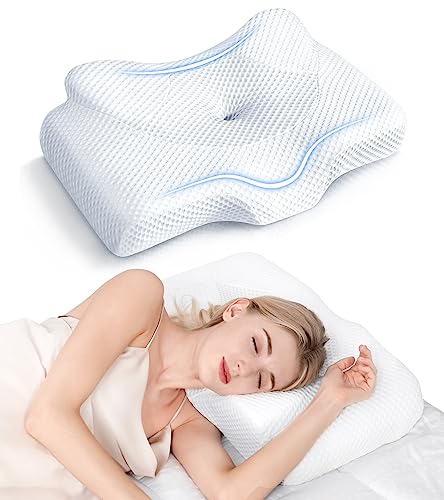
People also tend to snore more when they sleep on their backs, so certain sleep products, such as a special pillow, can help keep someone on their side. Anti-snore pillows can also help to improve breathing by supporting the head and neck differently, which can reduce snoring. There are even some pillows specifically designed to roll the snoring person’s head to the sides when snoring is detected, like the Nitetronic Z6 Anti-Snore Pillow.
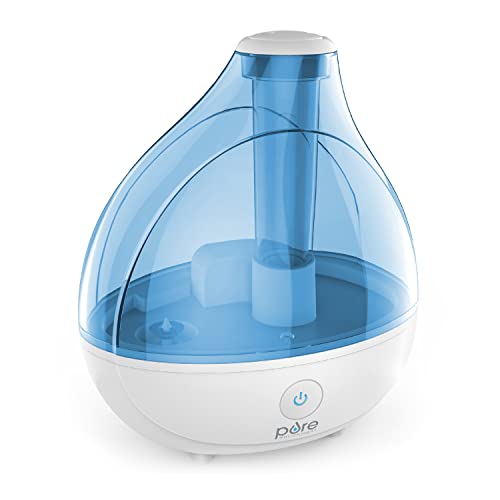
Another technique to try is the rudimentary trick of sleeping with a tennis ball on the shirt to prevent someone from rolling onto their back. However, this might interrupt the snorer’s sleep. Depending on the cause of the snoring, nasal strips or chin straps might work. Finally, using a humidifier can help avoid snoring and can also alleviate the effects of snoring, such as waking up with a dry mouth or sore throat.
Conclusion

Snoring is a very common problem that plagues many couples, either every night or on the odd occasion of a cold or a night with a few too many drinks. There are some solutions out there both to block out snoring at the source and to protect the sleep of the partner. A compromise between partners to each try different things can help to keep the relationship on good terms, though it may take some trial and error on both parts. Remember how critical good sleep is for your health and make it a priority.

Erin Edwards received her Doctor of Audiology degree from Towson University in 2015 and her Ph.D. in Education and Leadership from Pacific University in 2022. She has worked with patients of all ages in a variety of settings and has a specific interest in cochlear implants, the relationship of hearing loss and dementia, and interdisciplinary healthcare.