


Used hearing aids provide a valuable opportunity for individuals to improve their hearing abilities and function at a fraction of the cost of new devices. As hearing aids continue to advance in technology and performance, many people are left behind, unable to afford the high prices of new models. Buying used and refurbished hearing aids allows budget-conscious consumers to gain access to amplified sound and enhanced clarity at an affordable price point.
With proper cleaning and maintenance, pre-owned hearing aids can give people a second chance at hearing the world around them. By opening access to discounted hearing assistance, more individuals can obtain the hearing improvements they need to fully participate in life. Used hearing aids help remove financial barriers to better hearing for all.
Are Used Hearing Aids Safe?
Used hearing aids can be a great option for those looking for an affordable way to improve their hearing. If you are planning on getting used hearing aids for yourself, you should first see an audiologist and make sure the aids are programmed for your level of hearing loss, as using them without doing so may damage your hearing. You should also ensure the hearing aids are properly cleaned before inserting them.
Benefits and Drawbacks of Used Hearing Aids
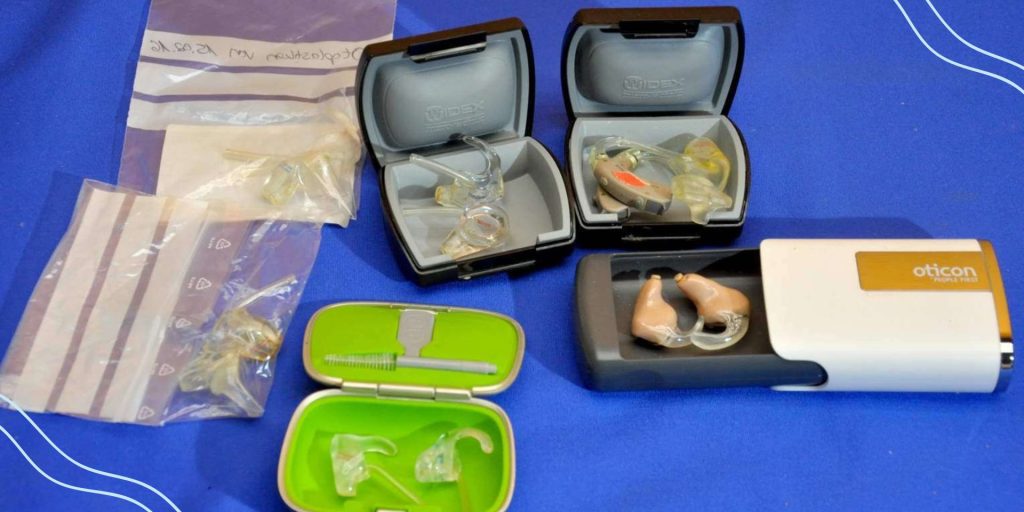
There are a few benefits to having used hearing aids, such as the cost savings, the convenience of quickly buying the aids, and the chance to try out hearing aids for a cheaper price before buying new more expensive ones. For the most part, buying used hearing aids is a good deal.
However, there are a couple of downsides, like the limited lifespan in comparison to newer models and the lack of custom fitting for your particular hearing loss and ear shape. Consulting an audiologist can help determine if used aids are the right choice.
Challenges by Hearing Aid Style
The style of hearing aid can present unique challenges when purchasing used devices. Specifically, receiver-in-canal (RIC) and custom-molded hearing aids may not be ideal choices for a used device.
RIC hearing aids have a component that sits in the ear canal, connected by a thin wire to a small behind-the-ear component. The ear canal piece is sized for the original owner’s ear anatomy. While it is possible to resize the wire, the in-canal component will likely not fit a new user’s ear canal well, which could lead to discomfort and feedback.
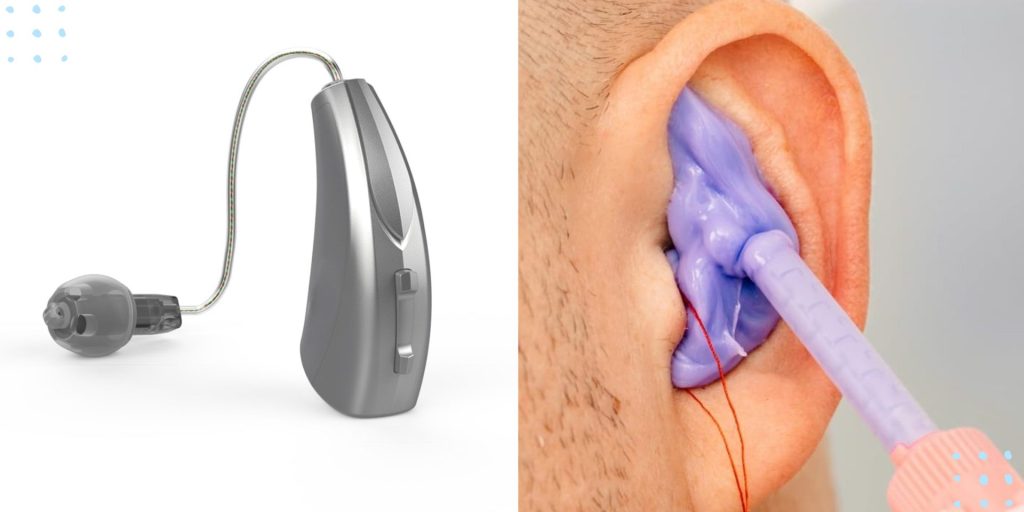
Custom-molded hearing aids and ear molds are created from ear canal impressions to perfectly match a person’s unique ear shape. A used custom hearing aid molded for one person almost certainly will not fit the ear canal of another. At best, it may be loose; at worst, it may not fit at all. Remaking a custom hearing aid could be a solution, but it’s usually an expensive one.
For used hearing aids, styles with a behind-the-ear component and disposable ear tips are better choices, as the ear tips can be replaced for a lower cost.
Choosing Used Hearing Aids
When choosing used hearing aids, there are a few key factors to consider:
- Age of the device – Newer models generally have better technology and features. Make sure to check when the hearing aid was originally purchased and released. Models over 5 years old may have limited functionality.
- Technology level – Entry-level hearing aids focus mainly on amplification. Mid-range models have more programs and settings. Premium-level devices offer wireless connectivity, apps, and other advanced features.
- Medical evaluation – It’s important to have a recent hearing test and evaluation by an audiologist. They can help determine the type of hearing loss you have and recommend the most appropriate hearing aid model and settings. This will ensure a used hearing aid will match your needs.
- Compatibility – If purchasing a single used hearing aid, make sure it is the same make and model as the one you currently have for the other ear. This allows them to work together properly.
- Condition – Examine used hearing aids closely for any damage and wear. Make sure components like the battery door, microphone, and receiver are intact. Look for cracks or corrosion as well. Test all functions and programs.
Thoroughly researching the make, model, technology, and condition of a used hearing aid will help ensure it meets your hearing needs and provides a positive experience. Consulting an audiologist is critical for getting the right aid.
Revising the Condition of Used Hearing Aids
The condition of a used hearing aid is extremely important to consider before purchasing. Used hearing aids can vary greatly in their wear and functionality. Some may be gently used and work nearly like new, while others may be worn out or damaged.
When examining a used hearing aid, look for signs of wear and tear. Check for scratches, dents, faded colors, or other cosmetic issues. Examine the battery door and make sure it opens and closes properly. Inspect the microphone ports and receiver wire to ensure they are clear of debris. Press all buttons and switches to confirm they are functioning.
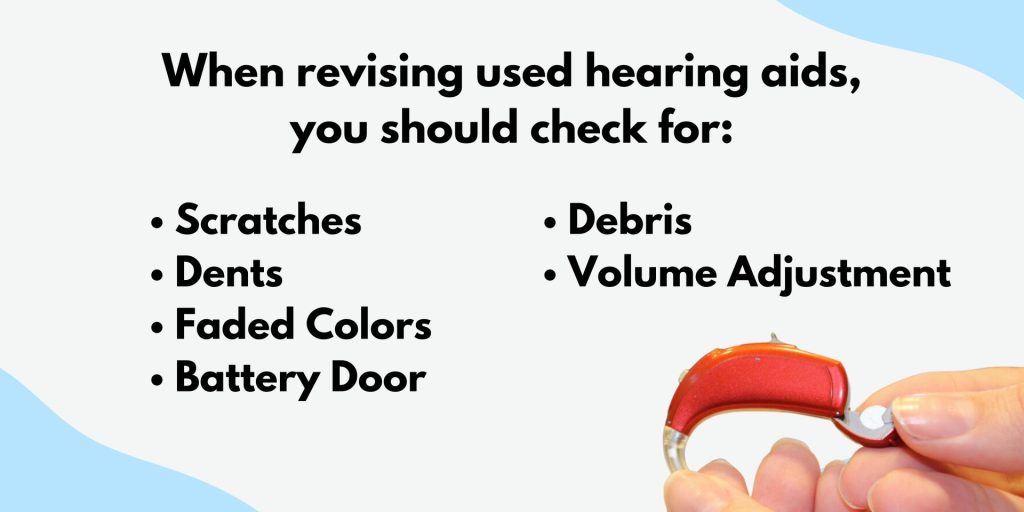
It’s also critical to test the hearing aid before purchasing to evaluate the sound quality and volume. Listen for any crackling, distortion, or imbalance between left and right hearing aids. Make sure volume can be adjusted across the full range. Have the seller demonstrate all programs and features.
Purchasing a used hearing aid in poor condition can lead to frequent malfunctions, costly repairs, and disappointment. It’s advisable to only consider used hearing aids that are in good to excellent condition so you can enjoy years of use from your affordable hearing solution.
Potential Savings
Purchasing used hearing aids can provide significant cost savings compared to buying new ones. Brand new hearing aids typically cost anywhere from $1,000 to $4,000 each, depending on the technology level, whereas used hearing aids often sell for 20% to 80% less than the original price.
For example, a set of premium-level hearing aids that originally retailed for $5,000 may sell on the used market for $2,000 or less. More moderately priced hearing aids in the $2,000 range may sell for $500 to $1,000 used. The savings vary based on the make, model, age, and condition of the used hearing aids, but in general, they are more affordable for people that might not be able to get new ones.
Although they’re an excellent alternative, it is important to balance the cost savings against product quality and longevity. Very old or damaged hearing aids may not be worth the discounted price if they will need frequent repairs or replacement. Working with an audiologist or hearing specialist is recommended to evaluate if a particular used hearing aid is priced fairly for its expected performance and lifespan.
What to Do With Used Hearing Aids
There are various choices to take if you’re looking to get rid of your used hearing aids. For example, if you have used hearing aids that are still in good condition, selling them can help get you some extra money. Other options could be trading the hearing aids to offset the cost of new aids or giving them up for donation.
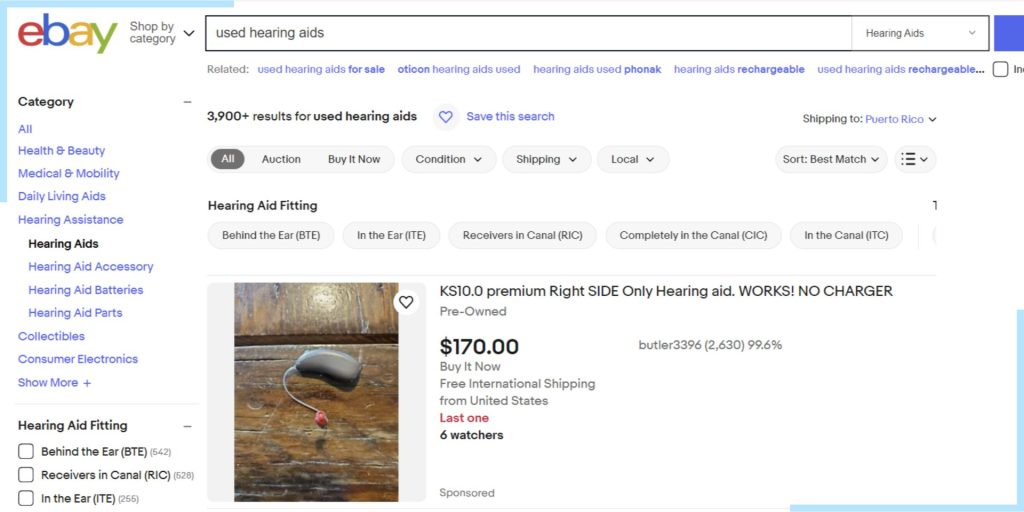
Some hearing aid manufacturers have trade-in or buyback programs where you can sell your old hearing aids back to them and receive an estimated trade-in value that could go towards the purchase of new hearing aids from that manufacturer. If this isn’t a viable option for you, you could try selling them on online marketplaces like eBay or local hearing aid retailers that refurbish used aids.
Donating used hearing aids is a great way to give back to the community, as it provides the gift of hearing to those less fortunate. You could search for organizations like the Lions Club that accept used hearing aid donations for their hearing aid recycling programs. While you won’t get any money out of it, your donation can create a meaningful difference in someone’s life.
Conclusion
The ability to hear better doesn’t have to break the bank. Getting used hearing aids can provide many advantages for those looking for more affordable hearing solutions. With the right used device, you can give your hearing a second chance.
For those with older hearing aids, selling or trading them in can offset the cost of upgrading to newer models with more advanced features and donating them can help someone in need receive a second chance at hearing.
Don’t let cost be the reason you continue to live with hearing loss. Explore the expanding possibilities of used and refurbished hearing aids. You may be surprised at the affordable options available.

Florida License: AS-2471 – NPI: 1992749147
Ivonne Baixeras is a Florida-Licensed Hearing Instrument Specialist with a track record of almost three decades treating hearing problems in Miami-Dade County and serving the needs of thousands of satisfied patients. Ivonne is a graduate of both Miami-Dade College & Florida International University and worked for many years at the largest national chain of hearing clinics in the US where she's received multiple awards.