


House fires can be dangerous for everyone, but they are especially risky for those who can’t hear well. This is why having a fire alarm for deaf individuals is so important. These alarms make sure that people who are deaf or hard of hearing are alerted quickly in case of a fire.
In this article, we’ll talk about the challenges deaf people face when it comes to fire safety. We’ll see how a fire alarm for deaf people is not just a regular alarm; it’s designed to alert them in a way they can easily notice. Also, we’ll look at fire alarms for hard-of-hearing people. These alarms help make sure that everyone, no matter how well they can hear, is safe from the dangers of house fires.

Overview of Fire Alarm Options for the Deaf
When it comes to fire safety, everyone deserves to feel secure in their homes. This includes individuals who are deaf or have hearing loss. Traditional smoke detectors often rely on high-pitched alarms, which might not be effective for someone with hearing impairments. That’s why alternative fire alarms for the deaf and those with hearing loss are essential. Below, we enlist some options for types of fire alarms for the deaf or hard of hearing.
- Strobe Lights: These fire alarms use bright, flashing lights to alert people of danger. The intense flash from these alarms provides a visual signal, which can be especially useful at night.
- Vibration Notification Appliances: These include devices like bed shakers and pillow vibrators. They are triggered by the sound of a standard fire alarm and vibrate intensely to wake or alert the person. This type of fire alarm for deaf individuals can be integrated into a specialized system or added to existing alarms.
- Mixed Pitch Alarms: Ideal for those with milder hearing loss, these alarms emit a lower-pitched sound at 520 Hz, which is easier for some people to hear, especially older adults. This sound is more effective at waking people, including those without hearing impairments, compared to high-pitched alarms.
Top 5 Smoke/Fire Alarms for the Deaf or Hard of Hearing
Here’s a list of the top five smoke/fire alarms designed for those with hearing impairments, each offering unique features to fulfill different needs.
Bellman & Symfon’s Smoke and Fire Notification System
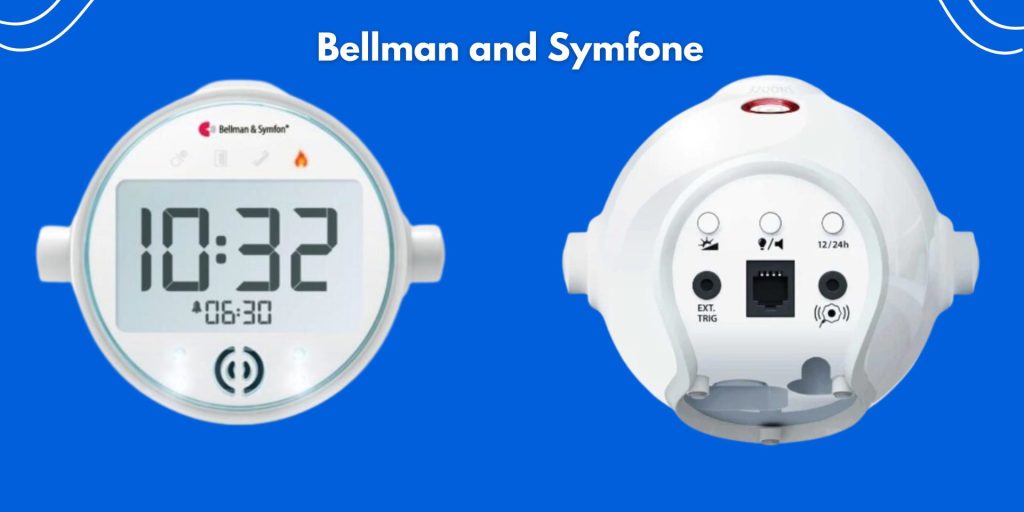
This system is an all-in-one solution for round-the-clock protection. It includes a Smoke Alarm Transmitter, Bed Shaker, and either a Flash Receiver or Alarm Clock Receiver, depending on the package chosen (“Safe@Day” or “Safe@Night”). The system is part of the Bellman & Symfon Visit Smart-Home system, featuring a photoelectric smoke detector with a long battery life and the capability to send alerts via auditory signals, flashing lights, and vibrations. It’s a comprehensive fire alarm for deaf individuals, ensuring multiple forms of alert.


Lifetone’s Bedside Fire Alarm and Clock
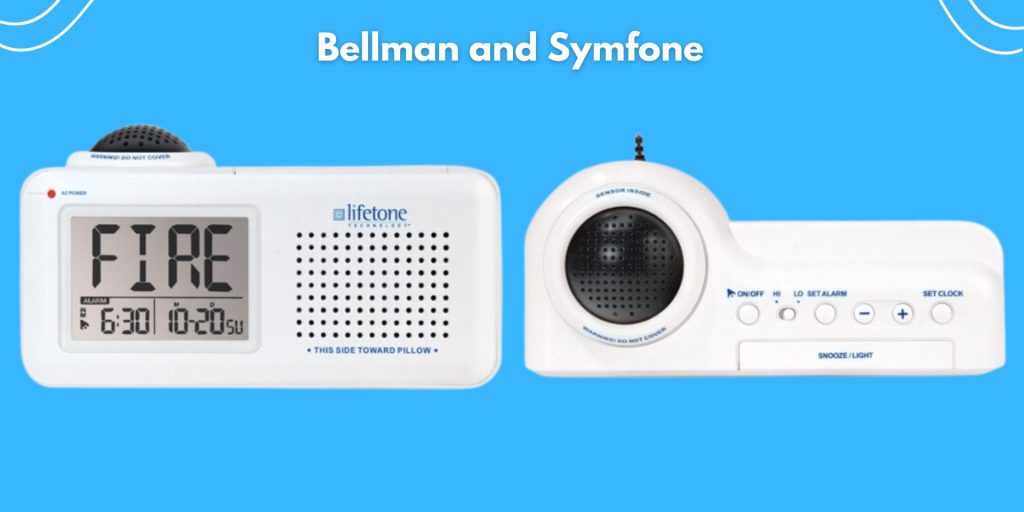
Lifetone’s device provides a unique approach to fire safety, detecting the T3 sound frequency of existing smoke alarms. It alerts users through auditory, visual, and tactile notifications. The device displays a “FIRE” message on the LCD clock screen and activates a Bed Shaker for tactile alerting. This portable device serves as both a fire alarm and an alarm clock, making it highly versatile.

Silent Call’s Medallion Series Smoke Detector with Transmitter
This smoke detector offers smart-home capabilities, emitting a loud T3 frequency sound when triggered and alerting nearby Medallion receivers with flashes and vibrations. It features million-code technology to prevent false alerts and is compatible with Carbon Monoxide Alarm Transmitters. Each unit comes with a 3-5 year limited warranty.
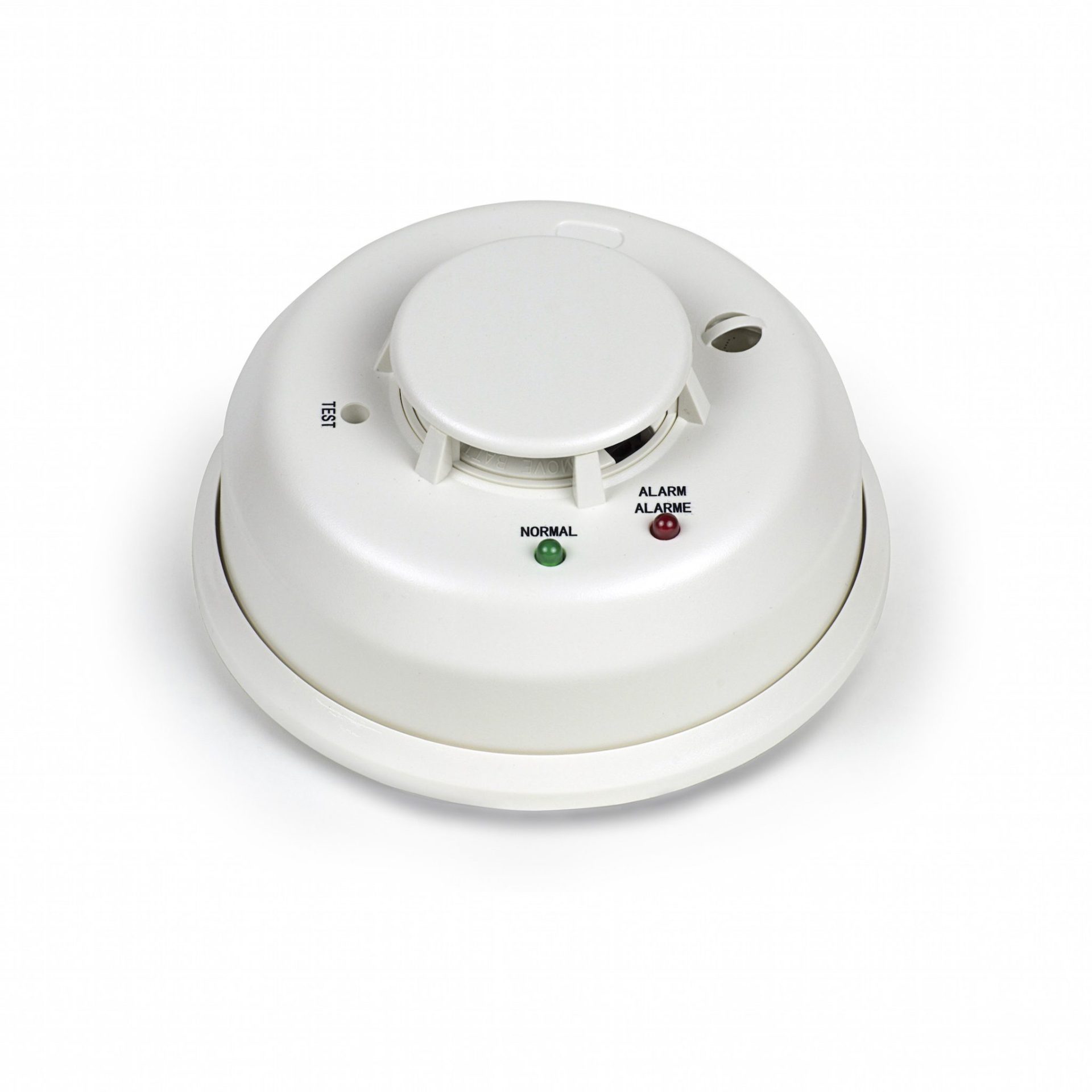
First Alert Smoke Alarm with LED Strobe Light
This hardwired smoke detector includes an LED strobe for visual notifications and a 10-year sealed battery. It can interconnect with up to 18 First Alert detectors, emitting a T3 frequency sound and flashing in unison when triggered. Compatible with CO Alarms from First Alert. Each of these fire alarms for deaf and hard of hearing individuals offers a combination of auditory, visual, and tactile alerts to ensure that all users, regardless of their hearing ability, are promptly alerted in case of a fire.

Kidde Smoke & Carbon Monoxide Detector
This detector is a 2-in-1 device that alerts for both smoke and carbon monoxide. It features a photoelectric sensor for detecting visible fire particles and an electrochemical sensor for carbon monoxide. The alarm sounds at 85 decibels with LED warning indicators showing different statuses. It’s battery-operated, ensuring functionality during power outages, and comes with a 10-year limited warranty.

Now, let us have a look in more detail at two systems that we consider the top choices when it comes to fire notification systems for hard-of-hearing or deaf people.
Bellman & Symfon’s Smoke and Fire Notification System
Main Features and Benefits
- Fully Interconnected System: This system provides comprehensive protection with its interconnected components, functioning effectively around the clock.
- Two Package Options: “Safe@Day” includes a Smoke Alarm Transmitter, Bed Shaker, and Flash Receiver, while “Safe@Night” substitutes the Flash Receiver with an Alarm Clock Receiver.
- UL-Listed Photoelectric Smoke Detector: Offers up to 10 years of battery life, ensuring long-term reliability.
- Multiple Alert Types: The system emits an auditory T3 alarm and sends radio signals to activate the Flash Receiver and/or Bed Shaker for visual and tactile alerts.
- Compatibility: It can be integrated with all Bellman & Symfon Visit receivers, including additional options like the Pager Receiver and Portable Receiver.
- Two-Year Warranty: Adds assurance of quality and service support.
User Reviews or Ratings
Review 1:
Rated 4 out of 5 stars.
The user praised the system’s quality, likening it to a high-end product with its superior design and materials. They found the combination of the loud alarm, flashing light, and effective bed shaker particularly impressive. The user noted the reliability of the alarm clock feature and appreciated its accuracy in keeping time. They also highlighted the well-thought-out snooze feature and the product’s potential life-saving capabilities, especially for the hearing impaired.
Review 2:
Rated 3 out of 5 stars.
The reviewer appreciated the ease of setting up the alarm and its small footprint. They found the bed shaker sufficient but desired a stronger intensity. The main concerns were the low audible alarm and weak light, which they felt were not effective for someone with hearing loss. The reviewer suggested that adjustable alarm volume and light intensity could enhance the product’s effectiveness.
These reviews reflect the diverse experiences of users with Bellman & Symfon’s Smoke and Fire Notification System, highlighting its high-quality build and effectiveness in some areas while also pointing out areas for potential improvement, especially in terms of audible and visual alerts for the deaf and hard of hearing.
Price and Where to Buy
The price starts at $314, and it is available for purchase online through various safety and accessibility equipment retailers [1,2] and directly from Bellman & Symfon’s official website.
Lifetone’s Bedside Fire Alarm and Clock
Key Features and Functionality
- T3 Sound Frequency Detection: Instead of direct smoke detection, it senses the T3 frequency of existing smoke alarms.
- Multi-Alert System: Alerts users through auditory, visual (LCD “FIRE” message), and tactile (Bed Shaker vibrations) notifications.
- Dual-Purpose Device: Functions as both a fire alarm and a regular alarm clock.
- No Installation Needed: Portable and easy to use, ideal for home and travel.
User Reviews or Ratings
Review 1:
Rated highly.
The reviewer was satisfied with the alarm’s performance, particularly for her mother, who is deaf at night without her cochlear implants. She appreciated the alarm’s responsiveness to fire alarms and its effectiveness as a morning alarm. The ease of setup and the light emitted by the alarm were also positively noted, with the reviewer stating she would purchase the product again if needed.
Review 2:
Mixed feelings.
Initially pleased with the Lifetone alarm, the reviewer experienced issues with the bed shaker component in two units, leading to functionality problems. The repetitive “Check bed shaker” alert and the need to potentially purchase a replacement part left the user considering other brands despite the initial satisfaction with the product.
These reviews for the Lifetone’s Bedside Fire Alarm and Clock showcase a range of experiences, from high satisfaction with its dual functionality and ease of use, to concerns about the durability of specific components like the bed shaker.
Price and Where to Buy
The price starts at $239.95 and it can be purchased from online stores or from specialty stores focusing on safety products for the deaf and hard of hearing [3,4].
Both the Bellman & Symfon and Lifetone systems offer unique solutions to accommodate to the safety needs of individuals who are deaf or hard of hearing, ensuring they are promptly alerted in case of fire through diverse and effective alert mechanisms.
Tips and Additional Fire Alarm Solutions
Ensuring the safety of individuals who are deaf or hard of hearing is of high importance, especially when it comes to fire alarms and CO detectors. Below are some valuable tips to optimize the use and maintenance of fire alarms for the deaf, along with insights into the integration of CO detectors with accessibility features.
Optimizing the Use and Maintenance of Fire Alarms for Deaf
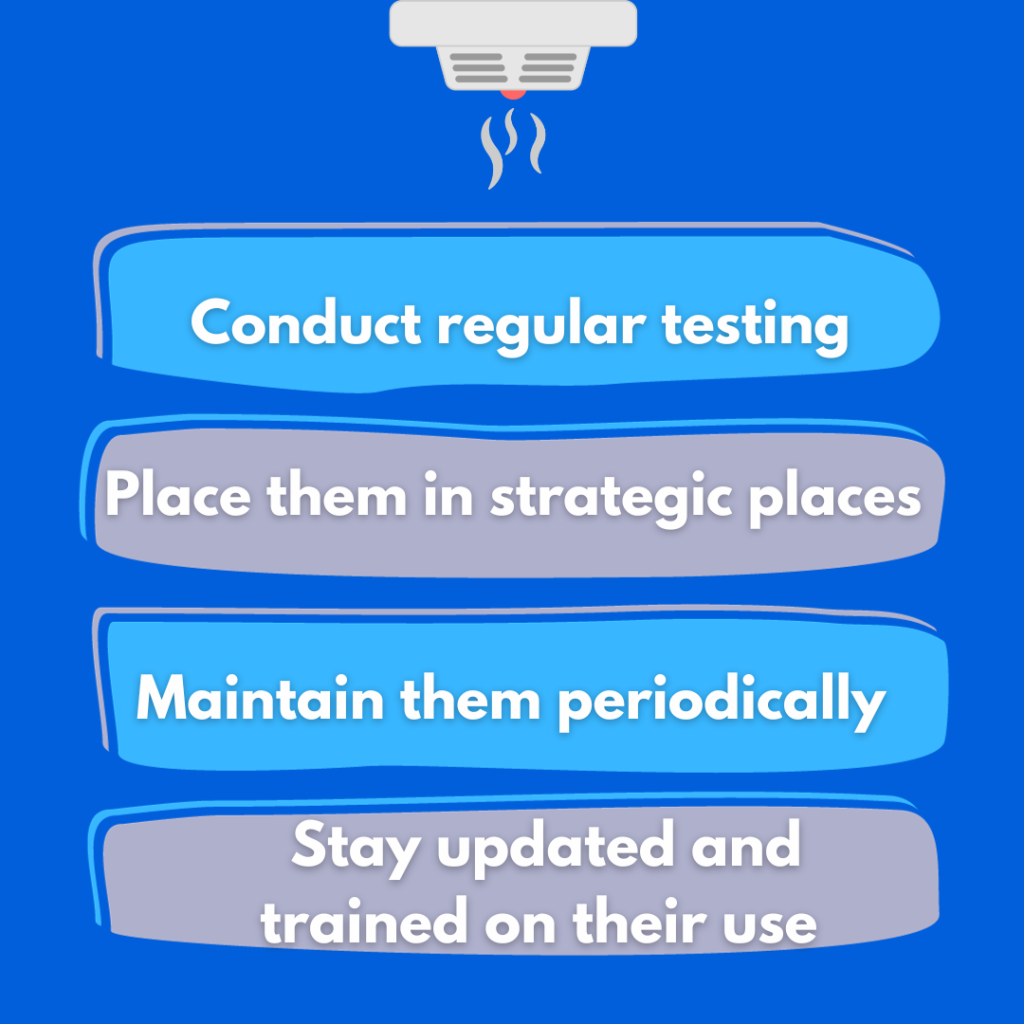
- Regular Testing: Regularly test your fire alarms for deaf individuals to ensure they are functioning properly. This includes checking the battery life, testing the sound, light, and vibration functionalities, and ensuring all interconnected systems are responsive.
- Strategic Placement: Place the fire alarms for deaf people in key areas such as bedrooms, living rooms, and hallways. For homes with multiple floors, ensure there’s at least one alarm on each level.
- Maintenance Routine: Establish a routine maintenance schedule. Clean the detectors regularly to prevent dust build-up, which can impede their functionality.
- Stay Informed and Trained: Familiarize yourself with the operation of your fire alarm system. Some fire alarms for the deaf may have specific features that require understanding and practice to use effectively.
CO Detectors with Accessibility Features
- Visual Alerts: Many CO detectors for the deaf include strobe lights or flashing indicators to alert users visually.
- Vibration Alerts: Similar to fire alarms for deaf, some CO detectors can be linked to vibrating devices like bed shakers, providing a tactile alert.
- Interconnectivity: Advanced models can connect with other home safety systems, allowing for integrated alerts across devices.
Pros
- Enhanced Safety: Visual and tactile alerts provide an added layer of safety for individuals with hearing impairments.
- Integration: The ability to integrate with other home safety devices offers a comprehensive approach to home safety.
- Peace of Mind: Knowing that there is a reliable alert system in place can provide significant peace of mind for users and their families.
Cons
- Cost: CO detectors with additional accessibility features can be more expensive than standard models.
- Maintenance: These devices may require more frequent maintenance checks to ensure all alert systems are functioning.
- Complexity: The added features might require more time to understand and use effectively, especially for those not tech-savvy.
Incorporating these tips and understanding the functionality of CO detectors with accessibility features are crucial steps in ensuring fire safety for deaf and hard-of-hearing individuals. By selecting the right devices and maintaining them properly, you can significantly enhance safety and security in your home.
Factors to Consider When Choosing a Fire Alarm for Deaf Individuals
- Certification and Compliance Standards: When selecting a fire alarm for deaf individuals, it’s crucial to ensure the product adheres to established safety standards. Look for alarms that meet the criteria set by organizations like the National Fire Protection Association (NFPA) or Underwriters Laboratories (UL). These certifications indicate that the fire alarms for deaf have undergone rigorous testing and meet essential safety and performance benchmarks.
- Reliability and Effectiveness of Alert Mechanisms: The effectiveness of a fire alarm for deaf hinges on its reliability and the alert mechanisms it employs. A good fire alarm for the deaf should include various alert types such as visual (strobe lights), auditory, and tactile (vibrating) signals to accommodate different levels of hearing impairment. It’s beneficial to read reviews and gather feedback to assess how reliable these alarms are in actual use.
- Specific Needs and Preferences of the Individual: Each individual’s hearing impairment is unique, and so are their preferences and needs. When choosing a fire alarm for deaf, consider the specific hearing level and the living environment of the user. For instance, the size of their living space or whether they live in a multi-story house can dictate the type of system required. Additionally, the fire alarm should be user-friendly and easy to maintain, ensuring long-term usability and effectiveness.
Taking these factors into account will help in selecting a fire alarm system that not only aligns with safety standards but also effectively accommodates the specific needs of deaf or hard-of-hearing individuals.
Conclusion
In this article, we have explored various fire alarm options for deaf individuals, highlighting their importance in ensuring safety for those with hearing impairments. From the comprehensive Bellman & Symfon’s Smoke and Fire Notification System to the innovative Lifetone’s Bedside Fire Alarm and Clock, each option offers unique features to accommodate to the diverse needs of the deaf and hard of hearing community.
These fire alarms for the deaf are not just regular alarms; they are designed with specific functionalities like strobe lights, vibration notification appliances, and mixed-pitch alarms to ensure that everyone, regardless of their hearing ability, is alerted promptly in the event of a fire.
The importance of fire safety for deaf individuals cannot be overstated. Fire alarms for deaf and hard-of-hearing individuals are essential tools that provide an extra layer of security and peace of mind. It is crucial for those with hearing impairments to have access to these specialized alarms to ensure their safety in case of emergencies.
We encourage our readers to carefully consider their personal needs and preferences when selecting a fire alarm for deaf individuals. It is important to choose a system that not only adheres to safety standards but also fits seamlessly into your lifestyle and environment. For more information and insights on alarms and safety devices tailored for the deaf and hard of hearing, explore other articles on our page, such as “Wake Up! Best Alarms For Deaf People (Benefits & Features)”. Remember, selecting the right fire alarm can significantly affect safety.
References:
[1] “Bellman Visit Alarm Clock Receiver & Smoke Detector Transmitter Bundle” – ADCO Hearing. Available at: https://adcohearing.com/products/bellman-visit-alarm-clock-receiver-smoke-detector-transmitter-bundle.
[2] “Bellman & Symfon Fire Alerting Solution with Smoke Detector Value Pack” – Liberty Health Supply. Available at: https://libertyhealthsupply.com/bellman-symfon-fire-alerting-solution-with-smoke-detector-value-pack/.
[3] “Lifetone HLAC151 Bedside Vibrating Fire Alarm and Clock” – Diglo. Available at: https://www.diglo.com/lifetone-hlac151-bedside-vibrating-fire-alarm-and-clock;sku=HC-LIFETONE2;s=328;p=HC-LIFETONE2.
[4] “Lifetone HLAC151 Bedside Vibrating Fire Alarm and Clock” – Hearing and Vision Center. Available at: https://hearingandvisioncenter.com/lifetone-hlac151-bedside-vibrating-fire-alarm-and-clock/.

Eleftheria's world revolves around sound - whether it's designing high-quality audio applications, crunching numbers in audio signal processing (DSP), decoding room acoustics, listening to music or crafting the latest hearing aid technology and new features. She has a professional career spanning over 15 years and a strong research record (over 40 articles and patents) and has been the driving force behind top-notch products at leading hearing aid and audio tech companies. But what really makes her enthusiastic is sharing what she knows. As an avid writer, she loves spreading the word on the science of hearing, hearing aids and health technologies. Her ultimate goal? To give people with hearing impairments the insights they need to live their best life.