


Have you ever noticed a strange hollow or echo effect when speaking while wearing earplugs or headphones? This phenomenon is known as the occlusion effect – and it can have a major impact on hearing aid users. When an object blocks the ear canal, it changes the way we perceive our own voices. The resulting muffled or booming sound can be annoying at best and detrimental at worst. Though many hearing aid wearers experience the occlusion effect, understanding why it happens is the first step to minimizing its potentially hidden impacts.
What is the Occlusion Effect?
As already mentioned, the occlusion effect refers to the hollow or echo-like sound quality that occurs when something blocks the ear canal, such as an earplug, headphone, or hearing aid. It is caused by the vibration of one’s own voice and other internal body noises resonating in the occluded ear canal and head.
The occlusion effect occurs when sounds that usually escape through an open ear canal get trapped and echo in a closed space (ear canal blocked by the hearing aid earpiece). This makes low sounds between 200-400 Hz louder and unnatural, leading to a muffled or echoey hearing that can be bothersome and distracting.
The occlusion effect is most noticeable for one’s own voice since bone conduction transmits the vibrations of our voice when we speak. However, other bodily sounds like chewing or swallowing can also be bothersome. Ambient external noises are less impacted but may sound distorted, lifeless, or lack clarity with the ear canal occluded.
Understanding the Perceptual Effects of the Occlusion Effect
The insertion of a hearing aid or earplug significantly modifies the ear canal’s acoustics, leading to an enhanced emphasis on low-frequency sounds. This shift causes an unnatural amplification of low-pitched noises, such as the user’s voice and internal body sounds like the heartbeat, making them sound louder and more resonant. Often referred to as a “voice barrel” effect, this occurs because the blockage in the ear canal reduces its ability to naturally dampen these frequencies. As a result, ambient background noises, including traffic or air conditioning, become louder and more intrusive. This imbalance between low and high frequencies complicates the ability of users to distinguish speech from background noise, affecting communication and overall auditory experience.
Additionally, the occlusion effect drastically changes the perception of voices. The obstruction forces sound vibrations from speech to travel more through the bones of the head and jaw rather than entering the ear canal directly. Consequently, both the wearer’s voice and those of others may sound hollow or as if emanating from a barrel. This blockage also diminishes the clarity of high-frequency sounds, which are essential for speech intelligibility. Consequently, voices seem muffled or distant, making it difficult to comprehend speech clearly. This altered perception of voices, combined with the disruption in frequency balance, contributes significantly to the challenges and frustrations faced by hearing aid users, highlighting the need for solutions that address these unique acoustic effects.
Implications for Hearing Aid Users
One of the main complaints of hearing aid users is they hear their own voice reverberating in their head.
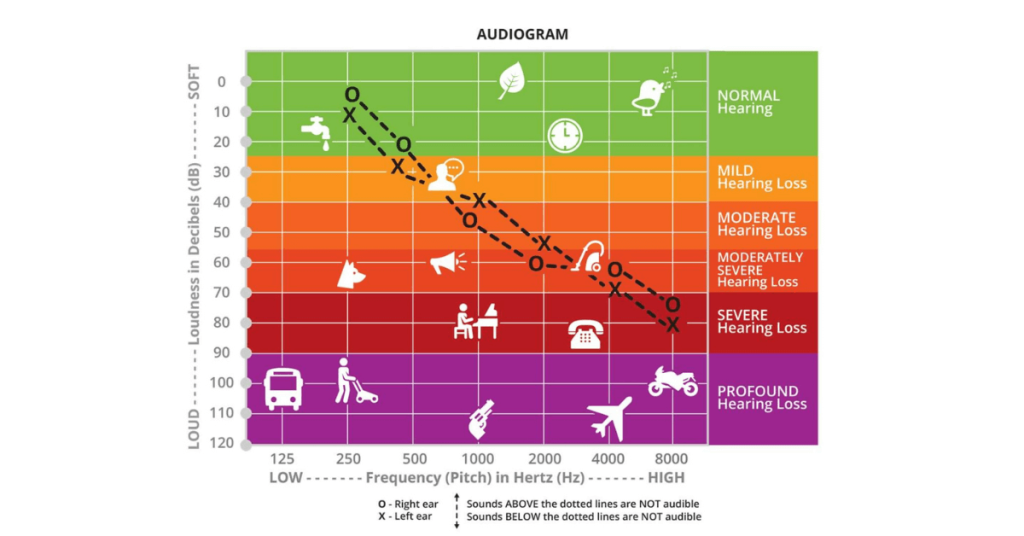
The occlusion effect varies by individual but is generally more noticeable in people with mild to moderate hearing loss and excellent low-frequency hearing. The shape and size of the ear canal also play a role. Narrow or stiff ear canals create more occlusion issues. Custom hearing aids tend to have more occlusion effect challenges than slim tube receiver-in-canal (RIC) styles.
While the occlusion effect cannot be eliminated entirely in hearing aids, manufacturers like Oticon have adopted different technologies to help reduce its impact. Hearing aids with venting or open-fit styles allow more natural sound to enter the ear canal, bypassing the hearing aid microphone and reducing the stuffed-up sensations. Directional microphones in hearing aids can also be effective by reducing the amplification of body-conducted sounds like your own voice.
The type of hearing aid worn can impact the degree of occlusion effect experienced. Completely-in-canal (CIC) hearing aids that sit deeper in the ear canal tend to cause more occlusion than receiver-in-canal (RIC) styles that have only a small component in the ear canal. This is because RICs block and occlude the ear canal less.
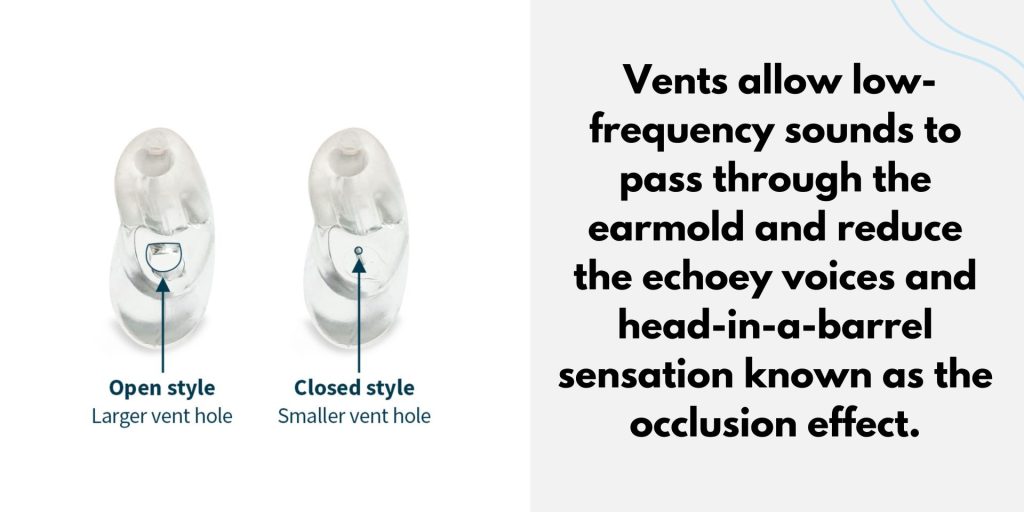
Custom in-ear hearing aids can also lead to occlusion issues if not properly vented. Vents allow low-frequency sounds to pass through the earmold and reduce the echoey voices and head-in-a-barrel sensation. Careful earmold design and vent tuning are required to find the right balance between occlusion reduction and adequate low-frequency amplification for the individual.
Overall, open-fitted and receiver-in-canal style hearing aids tend to provide the most natural sound quality and the least occlusion. An audiologist can recommend the best hearing aid style and features depending on the person’s hearing loss profile and anatomical factors.
Solutions To Fix Occlusion Effect
There are a few strategies that can help diminish the occlusion effect and enhance comfort and sound for hearing aid users:
- Use a larger vent size in your hearing aid mold. Vents allow sound to escape from the ear canal, which reduces the blocked-up feeling. Custom hearing aids can be designed with larger vents to address occlusion.
- Switch to a receiver-in-canal (RIC) style hearing aid. RIC hearing aids place the receiver outside the ear canal in the concha area. This style prevents blockage in the ear canal.
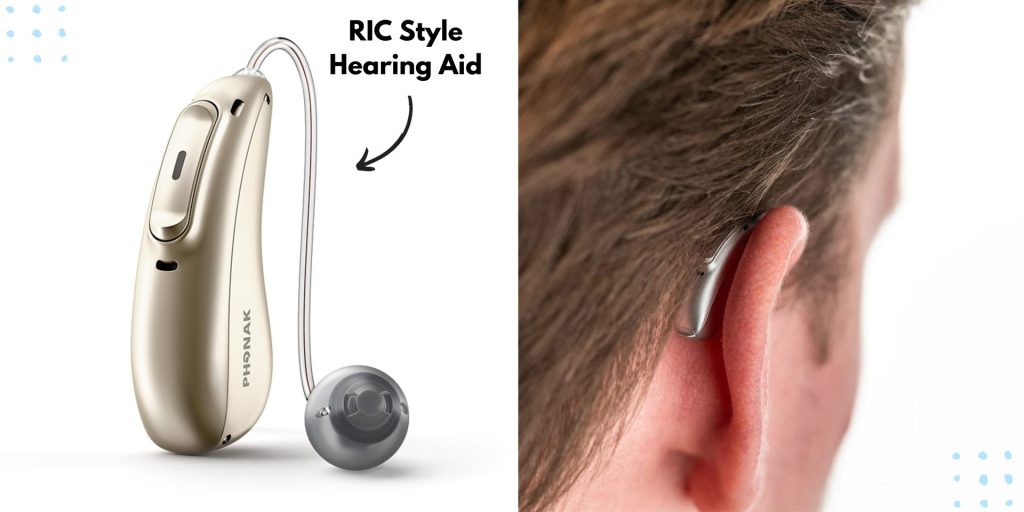
- Ask your audiologist about thin tube tubing if using a RIC-style hearing aid. Thin tubes allow more sound to naturally escape the ear.
- Use an open-fit dome with your RIC hearing aid rather than a closed-dome style. Open domes prevent the ear canal from being plugged.
- Select a hearing aid with an active feedback cancellation system. This allows for more venting without whistle feedback.
- Talk to your audiologist about adjusting your prescription and gain settings. Lowering gain and emphasizing middle frequencies over low frequencies can reduce occlusion.
- Consider a thin silicone hearing aid shell if using a custom device. Thin shells take up less space in the ear canal.
- Maintain proper insertion and positioning of your hearing aids. Proper placement prevents unnecessary occlusion issues.
- Use moisture-wicking hearing aid dehumidifier products. This prevents excess moisture buildup under your hearing aids, which can exacerbate occlusion.


Conclusion
This article has explored the occlusion effect and its impact on hearing aid users. The occlusion effect occurs when sounds reverberate in the ear canal and become distorted or muffled. It is caused by the trapping of sound in the ear canal due to the hearing aid earpiece or earmold blocking the opening. It can cause discomfort for hearing aid users, leading to a feeling of fullness in the ear and having your own voice sound loud and booming.

Certain hearing aid styles like RICs and open-fit devices are designed to minimize occlusion. But for some users, occlusion can still persist. Getting properly fitted, open-fit hearing aids is a solution for the occlusion effect, as well as having the earmold modified to reduce contact with the ear canal walls.
The occlusion effect can be frustrating, but with the right hearing aids and solutions, it can typically be overcome. If you feel you are experiencing occlusion with your hearing aids, consult with a hearing healthcare professional. They can assess the fit and make any needed adjustments so you can hear comfortably and clearly. With proper management, the occlusion effect doesn’t have to stand in the way of healthy hearing.
FAQs
What is the occlusion effect?
The occlusion effect refers to the perception of blocked or distorted sounds caused by an obstruction in the outer portion of the ear canal. It often leads to an increase in low-frequency sound pressure, impacting individuals using hearing aids or other ear-filling devices.

Eleftheria's world revolves around sound - whether it's designing high-quality audio applications, crunching numbers in audio signal processing (DSP), decoding room acoustics, listening to music or crafting the latest hearing aid technology and new features. She has a professional career spanning over 15 years and a strong research record (over 40 articles and patents) and has been the driving force behind top-notch products at leading hearing aid and audio tech companies. But what really makes her enthusiastic is sharing what she knows. As an avid writer, she loves spreading the word on the science of hearing, hearing aids and health technologies. Her ultimate goal? To give people with hearing impairments the insights they need to live their best life.